Violent Storm Kills Over 100 in India's Uttar Pradesh
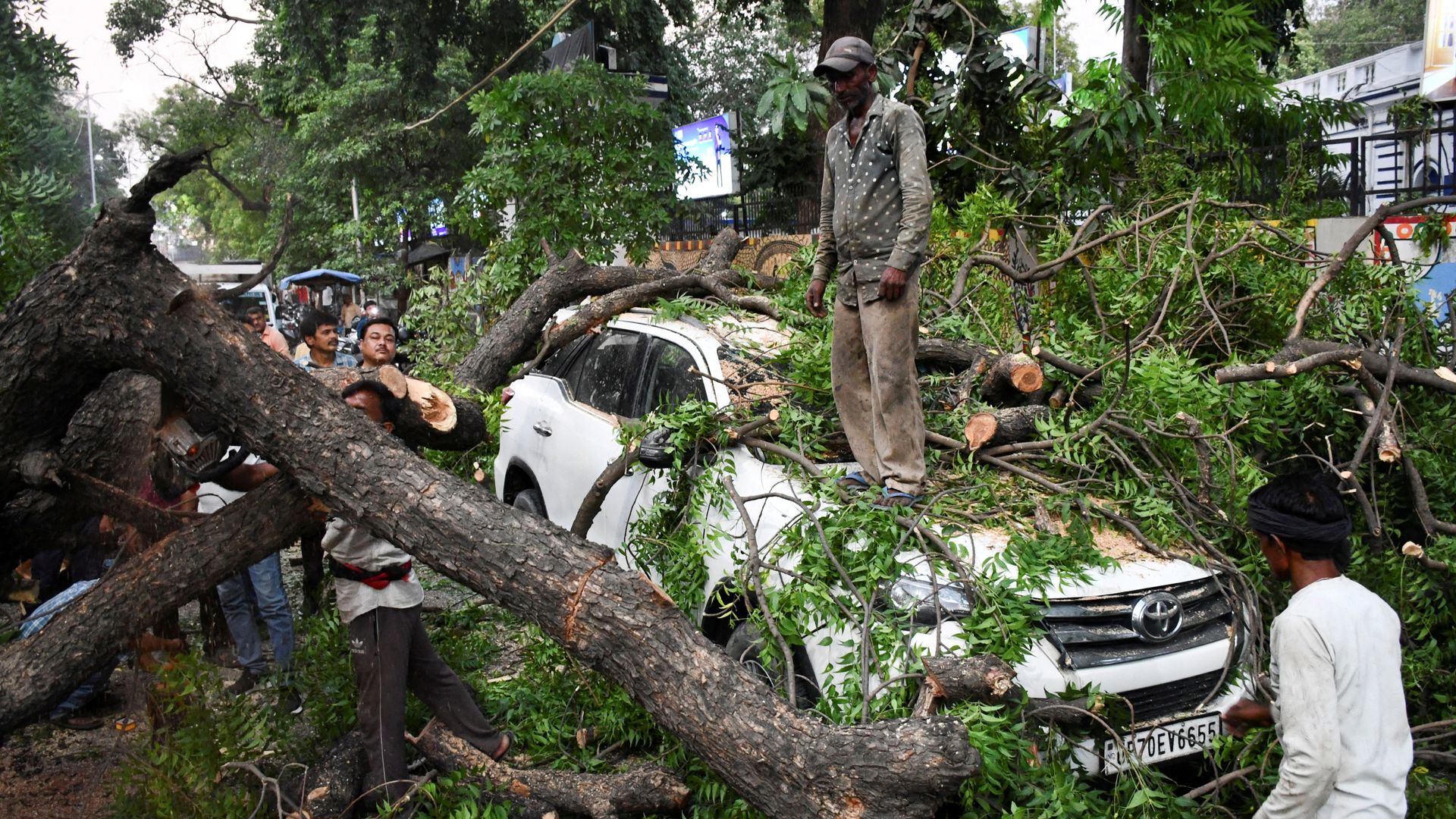
A violent storm has claimed the lives of over 100 people in Uttar Pradesh, India's most populous state, causing widespread devastation.
A devastating storm swept through India's most populous state, Uttar Pradesh, resulting in the deaths of over 100 people. The violent weather unleashed widespread destruction across the region, leaving a trail of fatalities and significant damage.
The incident highlights the vulnerability of densely populated areas to extreme weather events. Uttar Pradesh, with its vast population, often faces challenges during monsoon seasons and other severe weather phenomena, but the scale of this disaster appears particularly severe.
Details emerging from the affected areas indicate that the storm brought with it heavy rainfall, strong winds, and possibly lightning, contributing to the high death toll. Many homes are reported to have been damaged or destroyed, and infrastructure has also suffered considerable impact. Authorities are currently assessing the full extent of the casualties and the material losses.
Emergency services have been mobilized to provide aid and support to the affected communities. The immediate focus is on rescue operations, providing medical assistance to the injured, and ensuring shelter for those displaced. The long-term implications include the need for rebuilding efforts and potentially strengthening disaster preparedness measures in the state.
Officials are working to provide relief and coordinate rescue efforts in the aftermath of the storm. The full impact on agriculture and local economies is yet to be determined, but initial reports suggest significant losses. The government has pledged support for the victims and their families.
This event underscores the ongoing challenges posed by climate change and the increasing frequency of extreme weather events globally. Experts have long warned about the need for better infrastructure and early warning systems to mitigate the impact of such disasters, particularly in vulnerable regions like Uttar Pradesh.
Further assessments will be crucial in understanding the specific meteorological conditions that led to this tragedy and in informing future preventative strategies. The recovery process is expected to be lengthy, requiring substantial resources and coordinated efforts from various agencies.
This article was written by AI based on publicly available news reporting. Original reporting by the linked source.