Wales Declared Drought-Stricken as July Faces Driest Conditions in 190 Years
All of Wales is now under drought status due to sustained high temperatures, leading to deteriorating environmental conditions and record-low river levels.
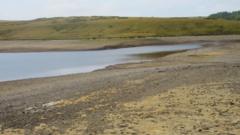
A drought has been officially declared across the entirety of Wales, as the nation faces the prospect of its driest July in 190 years. Natural Resources Wales (NRW) made the announcement on Thursday, citing sustained high temperatures that are causing the natural environment to "deteriorate." The decision follows record-low river levels, dry soil conditions, multiple wildfires, and significant impacts on wildlife, farming, and forestry.
This nationwide declaration expands upon an existing drought declared last week for North and parts of Mid Wales. The move will lead to increased monitoring of rivers and more stringent advice for the public regarding water usage. However, Welsh water companies have assured that current water supplies for homes and businesses remain secure, with reservoir levels stable due to a wet start to the year.
Figures released by NRW indicate that Wales has received only 8% of its long-term average rainfall for July. Consequently, most rivers across the country are at exceptionally low levels. Groundwater levels are also declining, with some areas experiencing lower than expected readings for this time of year. NRW's teams are actively responding to widespread environmental impacts reported across the nation.
The deteriorating conditions include visibly dry riverbeds, fish in distress, increased algae accumulation, heightened wildfire risks, and concerns from farmers regarding crop growth, grazing land, and water availability for livestock. The cumulative effect of the recent dry spell has been clearly observed by NRW staff, who are closely monitoring weather forecasts and river flows.
Recent weeks have seen a number of significant wildfires across Wales. A fire in the Rhinogydd mountains in Gwynedd was so large it could be seen from space, requiring a firefighting helicopter. In another incident near Conwy Mountain, residents described hearing a "popcorn-like" blaze approaching their homes before being evacuated.
Rhian Thomas of NRW emphasized the critical need for water conservation. "With no strong indications for notable rainfall in the forecasts, and risks of further heatwaves over the summer, it's more important than ever that we all use water wisely," she stated. "Every drop we waste is less water for our rivers and wildlife when they need it the most."
A drought is defined by NRW as a prolonged period of insufficient rainfall and high temperatures that severely stress the natural ecosystem. This leads to critically low river flows, diminished reservoir reserves, and exceptionally low groundwater levels, negatively impacting wildlife, fisheries, and protected habitats. This type of drought typically emerges before agricultural failures or widespread public water shortages become apparent.
Unresolved questions remain about the long-term implications for Wales's biodiversity and agricultural sector if the dry spell continues. The ongoing monitoring by NRW and the advice for water conservation will be crucial in mitigating further damage to the environment.
This article was written by AI based on publicly available news reporting. Original reporting by the linked source.