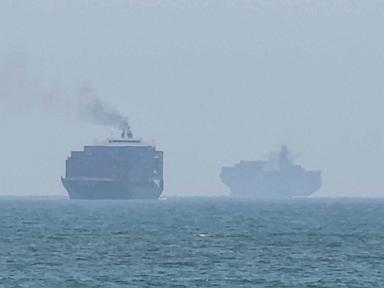
Waltz: Iran Violates Understanding; US Strikes Hit 300+ Targets
Ambassador Mike Waltz states Iran is not upholding an agreement, following retaliatory U.S. strikes hitting over 300 Iranian targets after ship attacks.
U.S. Ambassador to the United Nations Mike Waltz declared on Sunday that Iran is failing to adhere to a preliminary understanding reached in June, following a new series of U.S. military strikes against Iranian targets. The strikes, the third in less than a week, come after Iran attacked a commercial ship in the Strait of Hormuz. Waltz asserted that Iran's actions, including attacking neighbors, civilian shipping, and international waterways, are unacceptable.
The escalating tensions follow Iran's declaration on Saturday night that the Strait of Hormuz was closed, an action described by the U.S. as a violation of the existing memo of understanding. This declaration came after Iran attacked another commercial vessel in the crucial waterway. U.S. Central Command reported approximately 140 Iranian targets were hit in the latest strikes, bringing the total to over 300 targets struck across the three nights of retaliatory action.
Waltz emphasized that the agreement was performance-based and that Iran is not meeting its obligations. He stated that "all options are on the table" in response to Iran's behavior. The U.S. maintains that Iran's actions constitute a violation of international law, with 143 nations reportedly standing with the United States on this matter.
While Iran's navy claimed the ship attacks occurred after vessels attempted to use an unapproved route and ignored warnings, the U.S. has presented a different narrative. Senior U.S. officials had previously suggested that Iran privately blamed an "errant system" for the firings, an explanation Waltz dismissed as implausible. He questioned the lack of discipline and consequences within the Iranian hierarchy if junior officers were indeed acting rogue.
U.S. Central Command announced on Sunday morning that the Strait of Hormuz was open and traffic was flowing, though the overall situation remained unclear. Waltz expressed skepticism about Iran's strategy of using the global economy as leverage, suggesting that their actions contradict any claims of adherence to an agreement.
The context of these events is a fragile ceasefire that appears to have broken down. The initial U.S. strikes were prompted by previous Iranian attacks on vessels in the Strait of Hormuz, a vital chokepoint for global oil transport. The recent exchanges highlight the persistent volatility in the region.
Iran's Islamic Revolutionary Guard Corps Navy issued a statement holding the "American-Zionist enemy" and complicit nations responsible for any consequences stemming from interventions in the waterway. This rhetoric underscores the deep-seated animosity and distrust between Iran and the United States, as well as its allies.
Unresolved questions remain regarding the exact nature of the agreement between the U.S. and Iran, the extent of Iran's commitment, and the potential for de-escalation. The U.S. stance, supported by a significant international coalition, suggests a low tolerance for further provocations from Iran.
This article was written by AI based on publicly available news reporting. Original reporting by the linked source.