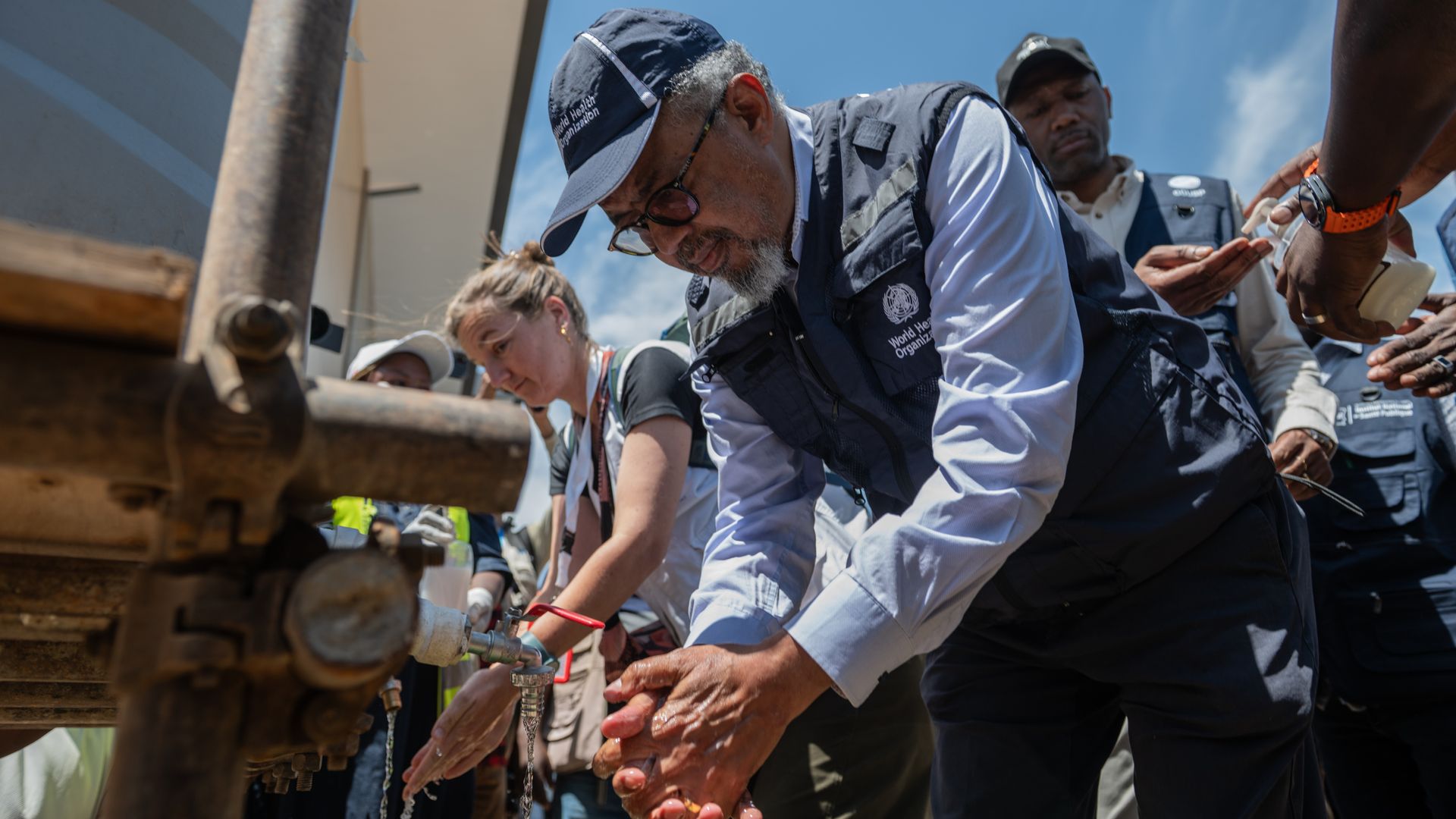
WHO Chief Visits Ebola Epicenter Amidst Brazil Suspected Case
WHO Director-General Tedros Adhanom Ghebreyesus visited the DRC's North Kivu province, urging vigilance against Ebola, as Brazil investigates a potential case.
World Health Organization (WHO) Director-General Tedros Adhanom Ghebreyesus has traveled to the Democratic Republic of Congo (DRC) province most severely affected by the current Ebola outbreak. His visit to North Kivu aims to bolster the response and encourage community engagement in curbing the spread of the deadly virus.
The visit comes at a critical juncture in the ongoing epidemic, which has seen a significant number of cases and fatalities concentrated in the eastern DRC. The WHO has been a central player in coordinating international efforts to combat the outbreak, providing resources, expertise, and logistical support.
During his visit, Dr. Ghebreyesus stressed the importance of immediate treatment-seeking and adherence to safe burial practices. These measures are crucial for preventing further transmission, as the virus can be spread through direct contact with bodily fluids of infected individuals and through contaminated environments, particularly during funeral rites.
The implications of this outbreak extend beyond the DRC's borders, as underscored by a separate development in Brazil. Health authorities in Brazil are currently investigating a suspected case of Ebola, marking a potential international spread of the virus. This situation highlights the interconnectedness of global health security and the need for robust surveillance systems worldwide.
Dr. Ghebreyesus's presence on the ground in North Kivu signifies the WHO's commitment to addressing the outbreak directly. His interactions with local communities and health workers are intended to build trust and ensure that prevention and treatment strategies are effectively implemented. The organization continues to work closely with Congolese health authorities and international partners to contain the epidemic.
While the primary focus remains on the ongoing crisis in the DRC, the potential case in Brazil serves as a stark reminder of the virus's capacity to travel. Global health organizations have long emphasized the importance of preparedness and rapid response capabilities in all countries, regardless of their geographical proximity to an outbreak.
This latest Ebola epidemic in the DRC has presented numerous challenges, including complex security situations and difficulties in accessing remote areas. The WHO and its partners have adapted their strategies to navigate these obstacles, employing innovative approaches to reach affected populations and deliver essential medical care.
As the situation evolves, key questions remain regarding the long-term control of the outbreak and the prevention of future epidemics. Continued international cooperation, sustained funding, and community involvement will be vital in overcoming the current crisis and strengthening global health resilience.
This article was written by AI based on publicly available news reporting. Original reporting by the linked source.