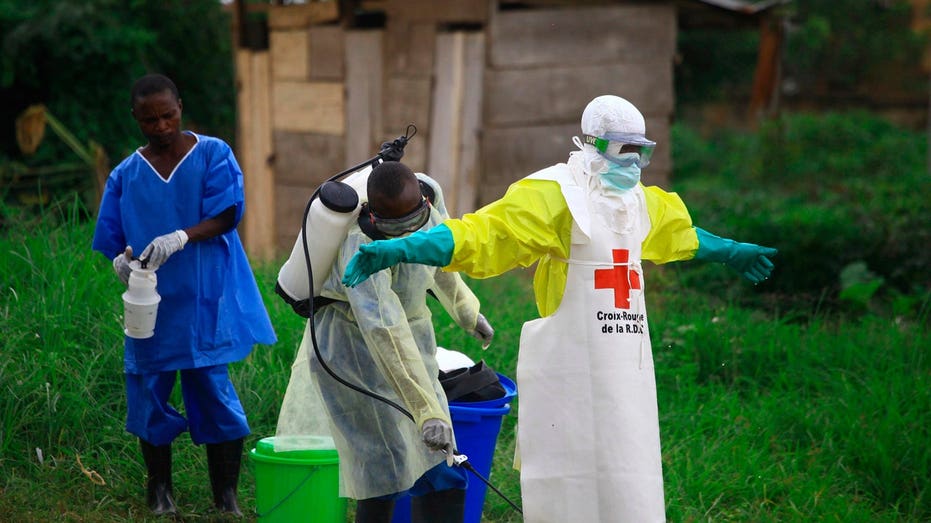
WHO Declares Ebola Outbreak in DRC, Uganda a Global Health Emergency
The World Health Organization declared an international public health emergency due to an Ebola outbreak in the Democratic Republic of Congo and Uganda.
The World Health Organization (WHO) has declared the ongoing Ebola outbreak in the Democratic Republic of Congo (DRC) and Uganda a public health emergency of international concern. The decision comes after a significant increase in suspected cases and deaths across both nations.
This designation signifies that the WHO views the outbreak as a serious, unusual, or unexpected event that could potentially spread internationally, requiring a coordinated global response. The declaration aims to mobilize additional resources, expertise, and international cooperation to contain the virus and prevent further spread.
Reports indicate that dozens of suspected deaths have been attributed to the outbreak, prompting the urgent declaration. Health officials are working tirelessly to trace contacts, provide medical care, and implement strict containment measures in affected areas. The WHO's emergency committee convened to assess the situation and unanimously recommended the declaration.
The declaration of a public health emergency of international concern by the WHO is a critical step in galvanizing global support. It signals the severity of the situation and the potential for international spread, urging member states to increase surveillance and preparedness. This emergency status allows the WHO to recommend specific public health measures for countries, including travel and trade advisories, to prevent the international spread of the disease.
This article was written by AI based on publicly available news reporting. Original reporting by the linked source.