WHO Launches $518M Ebola Plan Amidst Rising Cases
The World Health Organization unveiled a $518 million six-month plan to combat the escalating Ebola outbreak and its growing number of cases.
The World Health Organization (WHO) has announced a substantial $518 million (£386 million) six-month plan aimed at combating the escalating Ebola outbreak. The initiative comes as the number of confirmed cases continues to rise, signaling a critical juncture in the global health crisis.
The urgent deployment of resources is a direct response to the increasing spread of the deadly virus. Health officials have expressed growing concern over the trajectory of the outbreak, emphasizing the need for immediate and robust action to contain the disease and prevent further transmission.
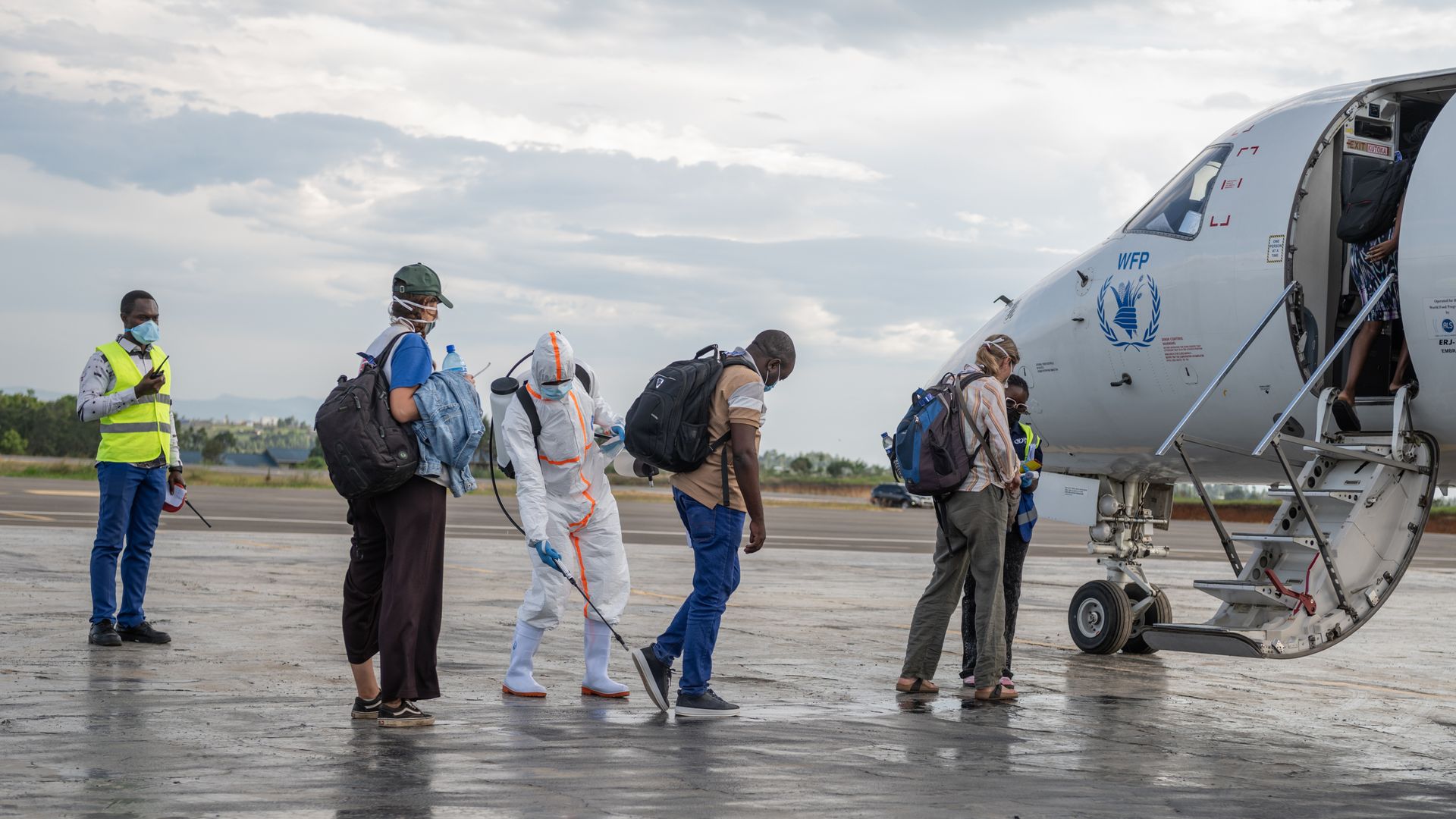
This comprehensive plan will focus on several key areas, including strengthening surveillance systems, improving rapid response capabilities, and enhancing the capacity of local healthcare workers. The WHO intends to bolster diagnostic services and ensure the availability of essential medical supplies and personal protective equipment for front-line responders.
The implications of this plan are far-reaching, with a primary goal of reducing transmission rates and ultimately saving lives. By providing significant financial backing and strategic direction, the WHO aims to coordinate a more effective and unified global response to the current Ebola crisis.
Ebola, a severe and often fatal illness in humans, is caused by the Ebola virus disease. The virus can spread to people through direct contact with the blood, body fluids, and tissues of infected animals or people. Early symptoms include sudden onset of fever, intense weakness, muscle pain, headache, and sore throat. As the illness progresses, it can lead to vomiting, diarrhea, rash, impaired kidney and liver function, and in some cases, both internal and external bleeding.
Past Ebola outbreaks have highlighted the devastating impact of the virus and the challenges associated with containment. The significant financial commitment by the WHO underscores the severity of the current situation and the international community's recognition of the urgent need for action. Previous responses have often been hampered by insufficient funding, logistical hurdles, and difficulties in accessing affected communities.
The effectiveness of the new plan will depend on swift implementation and strong collaboration between the WHO, national governments, non-governmental organizations, and local communities. Experts will be closely monitoring key metrics, such as case fatality rates, the speed of outbreak detection, and the reach of containment measures, to assess the plan's success in curbing the spread of the virus.
Questions remain about the long-term sustainability of such large-scale interventions and the potential for future outbreaks. The WHO's strategy is expected to include elements of preparedness for future health emergencies, aiming to build resilient health systems in affected regions to better manage and mitigate outbreaks going forward.
This article was written by AI based on publicly available news reporting. Original reporting by the linked source.