Wildfires Rage Across 1 Million Acres, Forcing Thousands to Evacuate
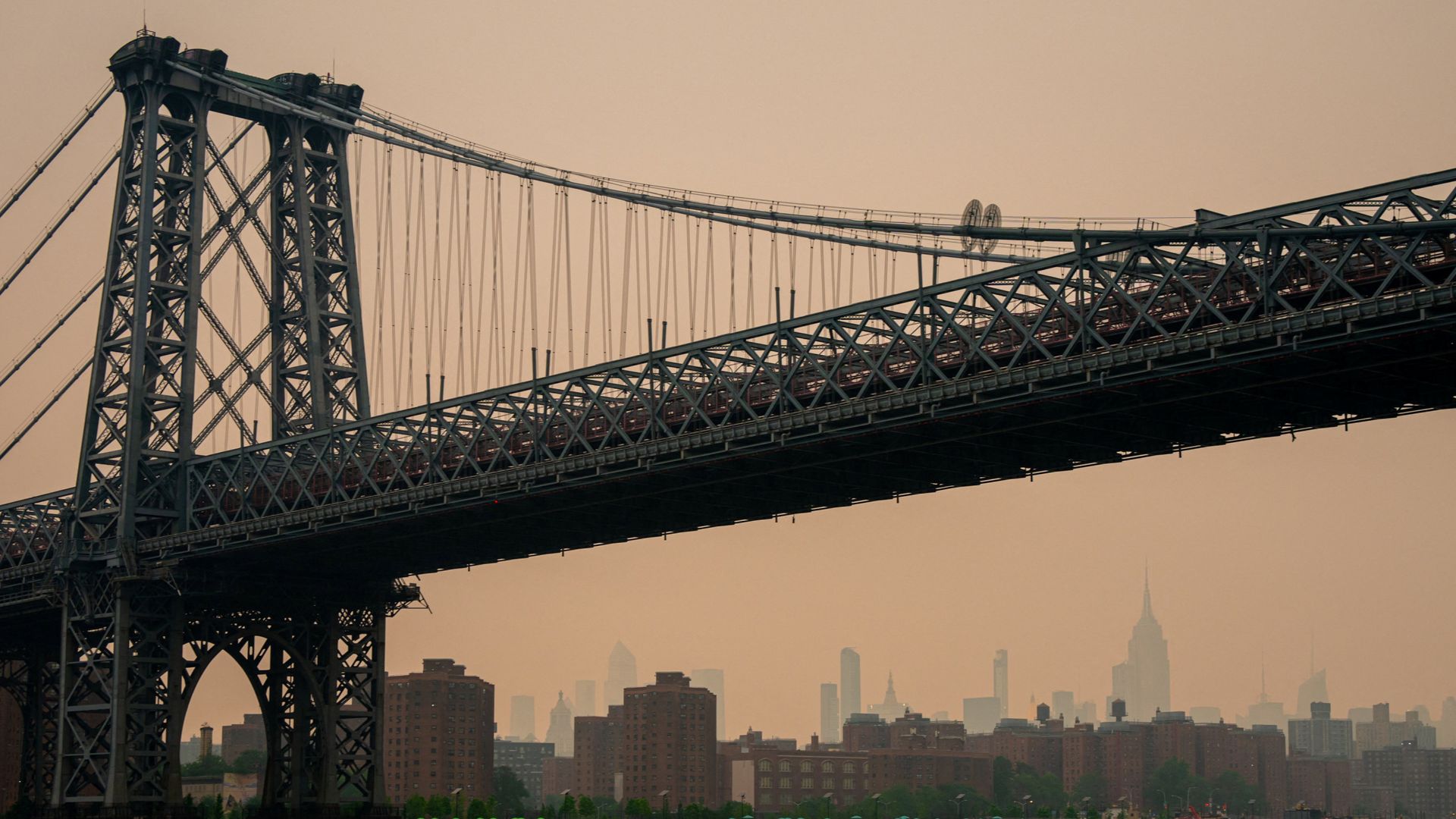
Thousands evacuated as wildfires consume over a million acres, blanketing major cities in smoke.
Wildfires are currently burning across more than one million acres of wilderness, prompting mandatory evacuations for thousands of residents. The rapidly spreading blazes have forced communities to flee their homes as fire crews work to contain the escalating situation.
The sheer scale of the fires underscores a growing concern about the intensity and frequency of wildfire seasons in recent years. Climate change and land management practices are often cited as contributing factors to the increased risk and severity of these events. The affected regions are facing significant environmental and economic disruption.
Officials have reported that the fires have consumed vast tracts of land, with containment efforts proving challenging due to dry conditions and high winds. Emergency services are coordinating rescue and evacuation operations, prioritizing the safety of affected populations. The smoke generated by the fires has also created hazardous air quality conditions, extending far beyond the immediate fire zones.
The long-term implications of these widespread fires are significant, including potential habitat destruction, increased carbon emissions, and the costly process of recovery and rebuilding for affected communities. The current strategy involves a multi-agency response, deploying resources from various firefighting and emergency management organizations.
This season's infernos are a stark reminder of the ongoing threat posed by uncontrolled fires. The acreage burned this year is already substantial, and experts warn that the peak of the fire season has yet to arrive in some areas. The visual impact of the smoke has been dramatic, with once-clear skies over major urban centers turning an ominous orange or gray.
Firefighting efforts are hampered by the difficult terrain in many of the affected wilderness areas, making access for ground crews and equipment a significant obstacle. Aerial support, including water and retardant drops, is a critical component of the strategy, but its effectiveness can be limited by wind and smoke.
Residents in evacuation zones have been urged to follow official guidance and prioritize their safety. Shelters have been set up to accommodate displaced individuals and families. The economic toll is also mounting, with businesses forced to close and potential long-term damage to natural resources and infrastructure.
As the fires continue to burn, questions remain about the adequacy of current preparedness and response strategies. The need for sustained investment in wildfire prevention, mitigation, and effective response mechanisms is becoming increasingly evident.
This article was written by AI based on publicly available news reporting. Original reporting by the linked source.