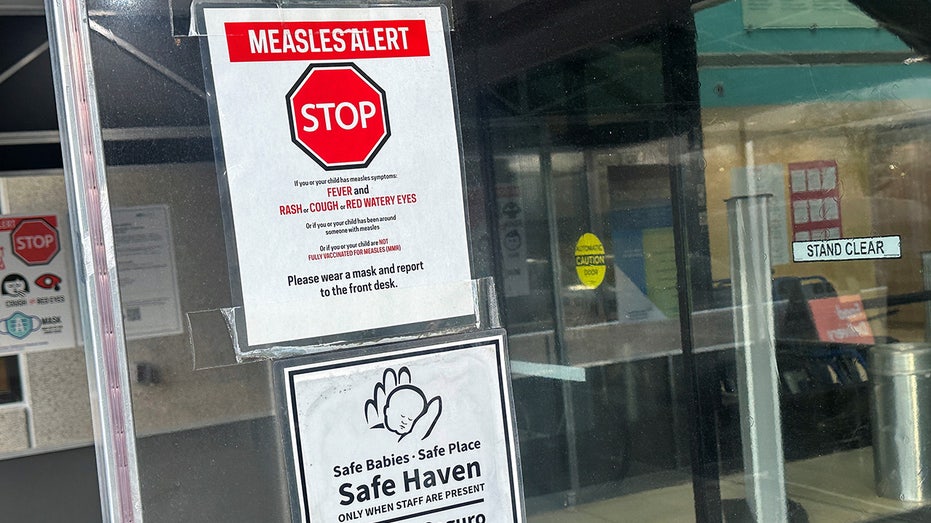
Wisconsin infant dies of measles, first death in 36 years
A Wisconsin infant has died from measles, marking the state's first death from the disease in 36 years and highlighting a resurgence in cases.
An infant in Wisconsin has died from measles, marking the first such fatality in the state in 36 years. The tragic death underscores a concerning rise in measles cases across the United States.
The infant's death is the latest development in an increasing trend of measles infections, a highly contagious viral illness that was once considered eliminated in the U.S. Public health officials have been warning about declining vaccination rates as a primary driver for the resurgence.
While specific details surrounding the infant's case have not been released, health authorities emphasize that measles can be severe and even fatal, particularly for very young children who are not yet eligible for vaccination. The Centers for Disease Control and Prevention (CDC) has reported a significant increase in measles cases nationwide in recent months.
This fatality serves as a stark reminder of the importance of measles vaccination. Public health experts are urging parents to ensure their children are up-to-date on their measles, mumps, and rubella (MMR) vaccinations to protect individuals and the community.
The last reported measles death in Wisconsin prior to this incident occurred in 1988. The disease, characterized by fever, cough, runny nose, and a distinctive rash, can lead to serious complications such as pneumonia, encephalitis (brain swelling), and death.
Health officials attribute the increase in measles cases to pockets of low vaccination coverage. Measles is extremely contagious, spreading through the air when an infected person coughs or sneezes. One infected person can spread the virus to 90% of unvaccinated people they come into close contact with.
In response to the rising cases and this tragic death, public health agencies are reinforcing efforts to promote vaccination and monitor outbreaks. They are working to identify unvaccinated populations and implement strategies to increase MMR immunization rates.
Community immunity, also known as herd immunity, is crucial in preventing widespread outbreaks. When a high percentage of the population is vaccinated, it becomes difficult for the disease to spread, offering protection even to those who cannot be vaccinated, such as infants and individuals with compromised immune systems.
This article was written by AI based on publicly available news reporting. Original reporting by the linked source.