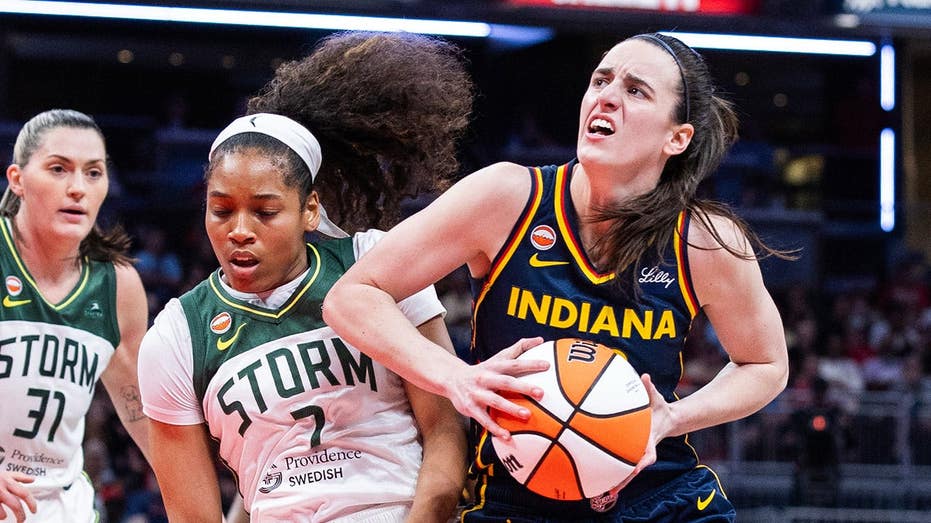
WNBA Graphic Sparks Outrage by Omitting Caitlin Clark
A WNBA promotional graphic excluded star player Caitlin Clark, drawing criticism for prioritizing identity politics over the league's biggest draw.
A recent promotional graphic released by the WNBA has ignited a firestorm of controversy, with critics accusing the league of prioritizing identity politics over the sport's burgeoning popularity, as evidenced by the conspicuous omission of Caitlin Clark.
The graphic, intended to showcase prominent players, featured Las Vegas Aces star A'ja Wilson and Chicago Sky rookie Angel Reese. However, Clark, whose arrival in the league has led to record-breaking viewership and attendance, was notably absent from the visual representation.
This decision has been met with widespread condemnation from fans and media personalities who argue that Clark is currently the most significant draw in the WNBA. Barstool Sports founder Dave Portnoy, for instance, labeled the move "the most idiotic promo in sports." The exclusion comes at a time when the league is experiencing an unprecedented surge in interest, largely attributed to Clark's immense popularity.
The implications of this marketing oversight are significant. By seemingly sidelining the player who has brought the most attention and revenue to the WNBA, the league risks alienating a newly engaged fanbase and undermining its own growth trajectory. Experts suggest that such decisions could signal a disconnect between league marketing strategies and the drivers of its current success.
This incident raises questions about the WNBA's strategic direction and its approach to capitalizing on the momentum generated by Clark. Her collegiate career at Iowa was marked by record-breaking performances and massive viewership numbers, which have largely translated to the professional level. The league has seen significant increases in attendance and television ratings since her debut.
Critics argue that the WNBA's decision to exclude Clark from a prominent graphic is a misstep that prioritizes other agendas over maximizing the league's appeal. This perspective suggests that focusing on identity over marketability could prove detrimental to the league's long-term financial health and fan engagement.
Comparisons have been drawn to other sports leagues that have successfully leveraged their star athletes to boost popularity. The WNBA's current situation presents a complex challenge: balancing diverse representation with the need to highlight its most impactful and popular figures.
The debate highlights a broader tension within sports marketing, where leagues must navigate the complexities of inclusivity and commercial success. The WNBA's choice in this instance has undeniably amplified discussions about how best to promote its athletes and sustain its growing appeal.
This article was written by AI based on publicly available news reporting. Original reporting by the linked source.