World Cup Boycott Threatens Infantino's FIFA Presidency Amid Investor Sale Fears
European nations may boycott the World Cup if FIFA President Gianni Infantino sells tournament rights to private investors, jeopardizing his leadership.
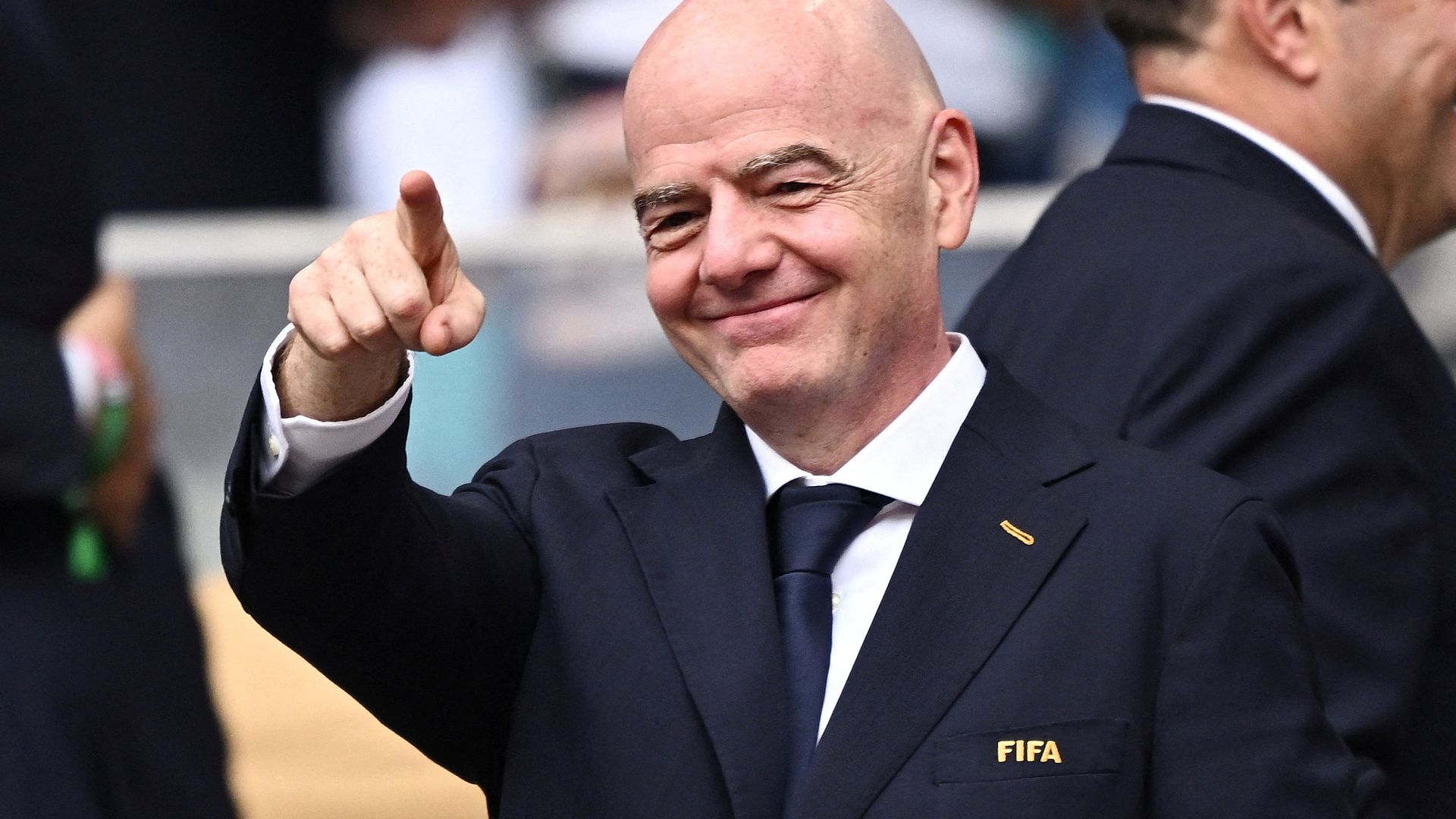
FIFA President Gianni Infantino is facing a significant challenge to his re-election bid, with European nations threatening a World Cup boycott if he proceeds with plans to sell a stake in the tournament to private investors. Sky News has learned that support for Infantino's continued presidency is rapidly eroding in the wake of this developing controversy.
The potential sale of parts of the World Cup to private investors has ignited strong opposition from European football federations, who view it as a move that could compromise the integrity and future of the sport's most prestigious event. This opposition has coalesced into a unified stance, culminating in the threat of a boycott, a drastic measure that would have profound implications for FIFA and global football.
Sources indicate that European nations are deeply concerned about the commercialization of the World Cup and the potential loss of control over its organization and revenue streams. The proposed sale is seen by many as a step too far in the commercialization of the game, potentially prioritizing profit over the sporting and cultural values associated with the tournament.
The boycott threat, if realized, would represent a major crisis for Infantino and FIFA. It could lead to a severely diminished World Cup, impacting broadcast rights, sponsorship deals, and global interest. The move also signals a potential shift in power dynamics within global football governance, with European federations willing to take such extreme action.
Infantino, who has been FIFA president since 2016, has previously overseen significant commercial initiatives and reforms within the organization. However, this particular proposal appears to have crossed a line for a substantial bloc of powerful footballing nations.
Football analysts suggest that the fallout from this dispute could extend beyond Infantino's presidency. It raises fundamental questions about the balance between commercial interests and the sporting heritage of major international tournaments, potentially setting a precedent for future governance debates.
Details regarding the specific percentage of the tournament rights being considered for sale and the potential investors have not been fully disclosed, contributing to the uncertainty and concern among stakeholders. The lack of transparency has fueled speculation and amplified the resistance from European federations.
FIFA has yet to issue a formal response to the boycott threat or the specific concerns raised by the European nations. The coming weeks are expected to be critical as football's governing body navigates this escalating crisis and Infantino's leadership faces its most significant test to date.
This article was written by AI based on publicly available news reporting. Original reporting by the linked source.