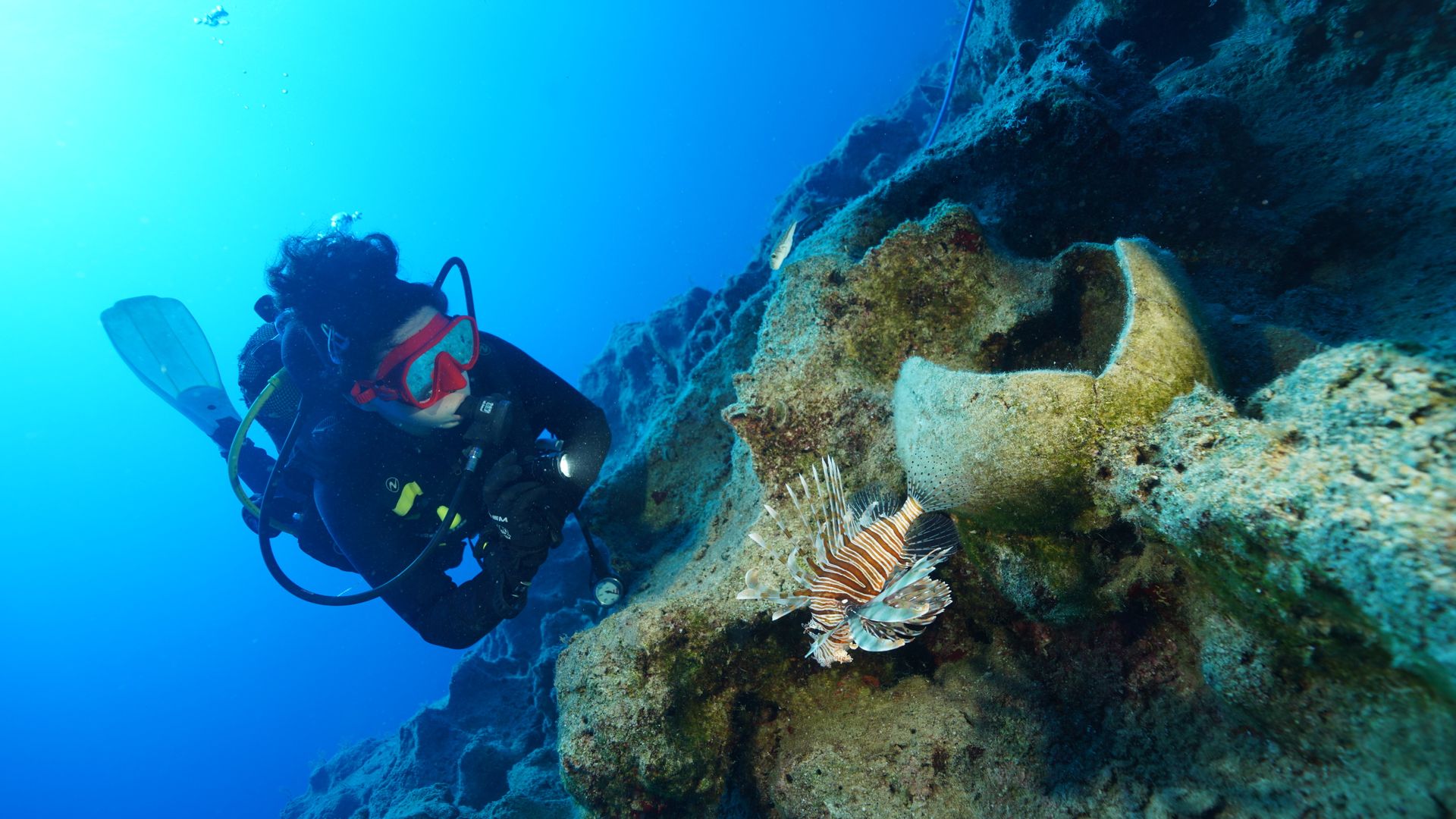
World's Oldest Shipwreck Discovered Off Turkish Coast by Archaeologists
Archaeologists have found the world's oldest known shipwreck off the coast of Turkey, offering unprecedented insights into ancient maritime history.
Archaeologists have announced the discovery of the world's oldest known shipwreck off the coast of Turkey. The find is expected to provide invaluable insights into ancient shipbuilding and trade practices.
This remarkable discovery situates the wreck as a significant artifact in understanding early maritime civilizations. Its age places it at a critical juncture in human history, potentially predating many previously understood benchmarks for seafaring technology and commerce.
The exact location and depth of the wreck are being kept under wraps to ensure its preservation, but initial assessments by the research team indicate a high degree of preservation. This suggests that the vessel, likely carrying a substantial cargo, sank rapidly and remained undisturbed for millennia.
Experts believe this shipwreck could rewrite chapters of maritime history, offering concrete evidence of capabilities and trade routes that were previously only theorized. The find is anticipated to spark extensive research and international collaboration.
While details about the ship's origin and the nature of its cargo are still emerging, preliminary analysis hints at a vessel of considerable size for its era. The materials used in its construction and the design of its hull will be crucial for dating the wreck precisely and understanding the technological sophistication of its builders.
This discovery is being hailed as a monumental event for archaeology and history. The potential for learning about the daily lives, economic activities, and cultural exchanges of the people who built and sailed this ship is immense. It opens a new window into a period of history that is otherwise sparsely documented.
Further expeditions are planned to meticulously excavate and document the site. These efforts will involve advanced underwater surveying techniques and careful recovery of artifacts to prevent damage. The international archaeological community is eagerly awaiting more information as the research progresses.
The long-term implications of this find extend beyond academic circles. It has the potential to boost cultural tourism in the region and foster a greater appreciation for Turkey's rich historical heritage. The ongoing study of the shipwreck promises to be a multidisciplinary endeavor, involving historians, naval architects, and material scientists.
This article was written by AI based on publicly available news reporting. Original reporting by the linked source.