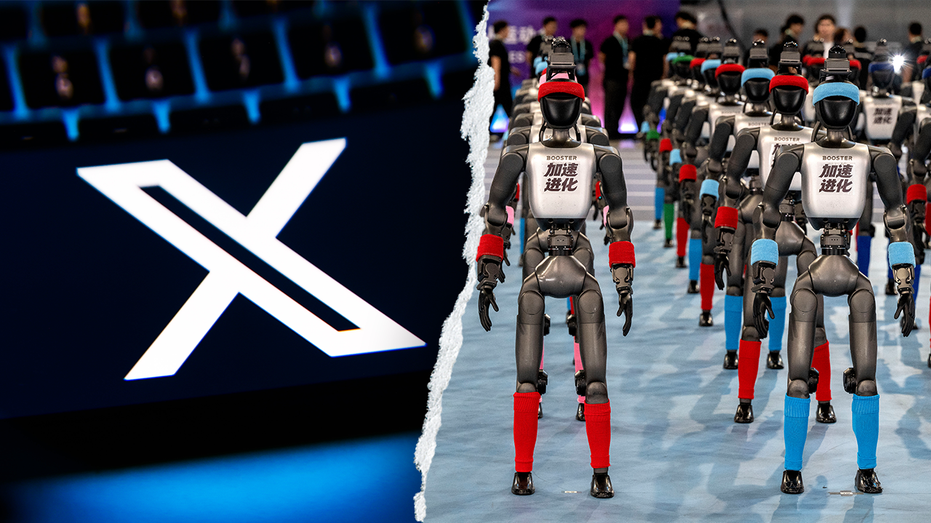
X Uncovers Massive Chinese Bot Farm Targeting US AI Policy
X revealed a large Chinese bot network spreading coordinated narratives on US AI and data center policy, amplifying specific viewpoints.
Social media platform X has uncovered a significant bot farm operation originating from China, actively engaged in influencing United States policy discussions, particularly concerning artificial intelligence and data center regulations. The network of automated accounts was found to be disseminating coordinated messaging designed to shape public and official opinion on these critical technological and economic issues.
The discovery highlights the growing sophistication and reach of foreign influence operations targeting domestic policy debates within the U.S. The bot farm appears to have been strategically deployed to amplify specific viewpoints and create the illusion of widespread grassroots support or opposition to certain policy directions, thereby potentially skewing the perception of public sentiment among policymakers and the broader electorate.
Analysis of the network revealed a consistent pattern of posts and engagement, all pushing a similar narrative related to U.S. AI and data center policies. While the exact objectives of the operation remain under investigation, such campaigns often aim to sow division, promote specific economic interests, or undermine competitors. The sheer scale of the identified bot farm suggests a well-resourced and organized effort.
This revelation raises significant concerns for national security and the integrity of democratic processes. The ability of foreign actors to manipulate online discourse on sensitive topics like AI development and infrastructure could have far-reaching implications for U.S. technological leadership and economic competitiveness. Experts warn that such operations can make it difficult for genuine public opinion to be heard and for policymakers to make informed decisions.
The operation's focus on AI and data centers is particularly noteworthy, given the rapidly expanding importance of these sectors. AI is a key area of global competition, and data centers form the backbone of the digital economy. Influencing policy in these areas could grant strategic advantages to the sponsoring nation.
While X has not identified the specific entities behind the bot farm, the investigation points to links with China. This aligns with previous intelligence assessments that have warned of Chinese efforts to exert influence abroad through various means, including digital platforms. The platform stated it has taken action to disrupt the network's activity.
Further analysis is ongoing to determine the full extent of the operation's reach and impact. The discovery is expected to prompt renewed calls for stricter regulations on social media platforms and enhanced measures to detect and counter foreign disinformation campaigns. The specific policy debates targeted by the bot farm are likely to come under increased scrutiny.
This incident underscores the persistent challenges faced by social media companies and governments in safeguarding online spaces from manipulation. The evolving tactics of influence operations necessitate continuous adaptation of defense mechanisms and international cooperation to protect the integrity of public discourse and policy-making.
This article was written by AI based on publicly available news reporting. Original reporting by the linked source.