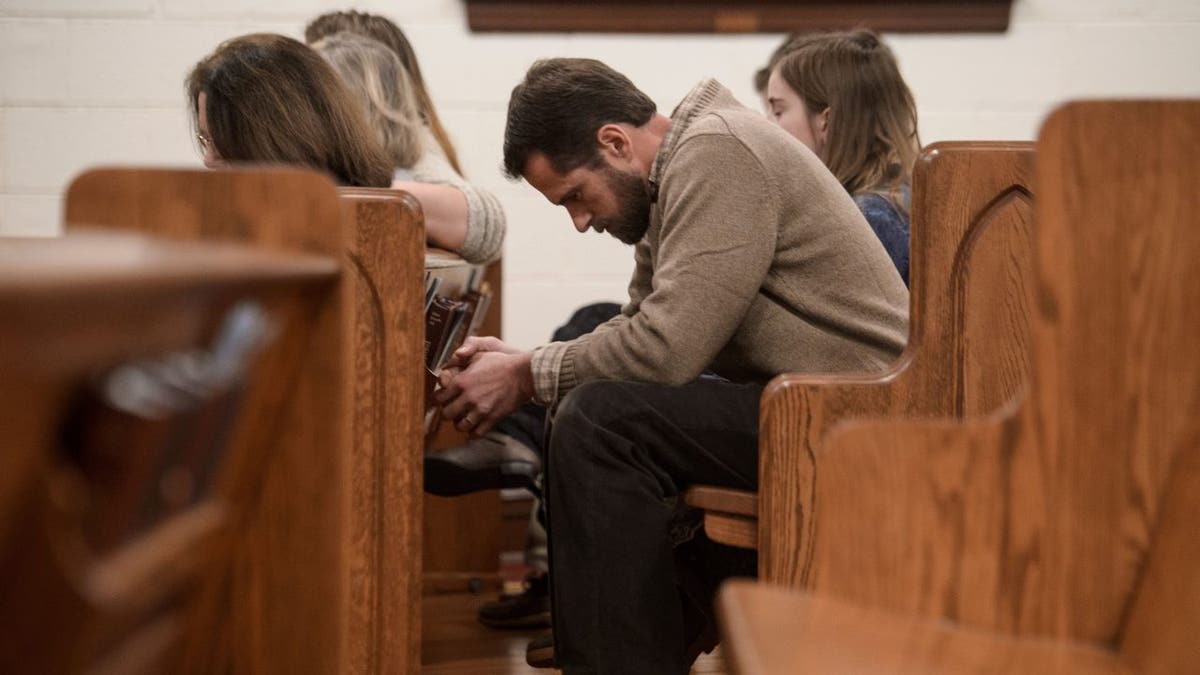
Young Men Flock to Faith: Religion's Importance Surges to 25-Year High
A significant rise in young men reporting religion as very important could reshape American society and religious demographics.
A recent Gallup poll reveals a striking resurgence of religious importance among young men in the United States, with 42% now stating religion is very important in their lives. This figure marks the highest point in a quarter-century and represents a substantial 14% increase since 2023, suggesting a potential shift in the spiritual landscape of a younger generation.
The trend is particularly noteworthy given the long-term decline in religious affiliation and engagement observed across many demographics in recent decades. This upward movement among young men challenges broader societal narratives of secularization and could have far-reaching implications for religious institutions and American culture.
This increase of 14 percentage points in just one year is a dramatic acceleration compared to previous trends. While the poll does not delve into the specific reasons for this renewed engagement, experts suggest a confluence of factors may be at play, potentially including a search for meaning and community in an increasingly complex world.
The implications of this shift are potentially vast. A more religiously engaged young male demographic could lead to increased participation in religious services, greater involvement in faith-based organizations, and a stronger influence of religious values on social and political discourse. It may also signal a demographic revitalization for religious institutions that have been struggling with declining membership.
Historically, religious adherence has often been correlated with social and civic engagement. A rise in religiosity among young men could therefore translate into greater participation in volunteerism, community building, and potentially, a more unified sense of shared values. This could counter trends of increasing social fragmentation.
While the Gallup poll provides a snapshot of this trend, further research will be needed to understand the nuances of this resurgence. Questions remain about the specific religious traditions benefiting from this growth, the demographic segments within young men that are most affected, and the long-term sustainability of this increase.
Religious leaders and sociologists are closely watching these developments. Some have expressed optimism about the potential for renewed spiritual vitality, while others emphasize the need to understand the underlying motivations driving this change to ensure authentic and lasting engagement.
The data suggests that while the broader trend of secularization may continue for some groups, a significant segment of young men is actively seeking and finding importance in religion, a development that could redefine the role of faith in American public and private life for years to come.
This article was written by AI based on publicly available news reporting. Original reporting by the linked source.