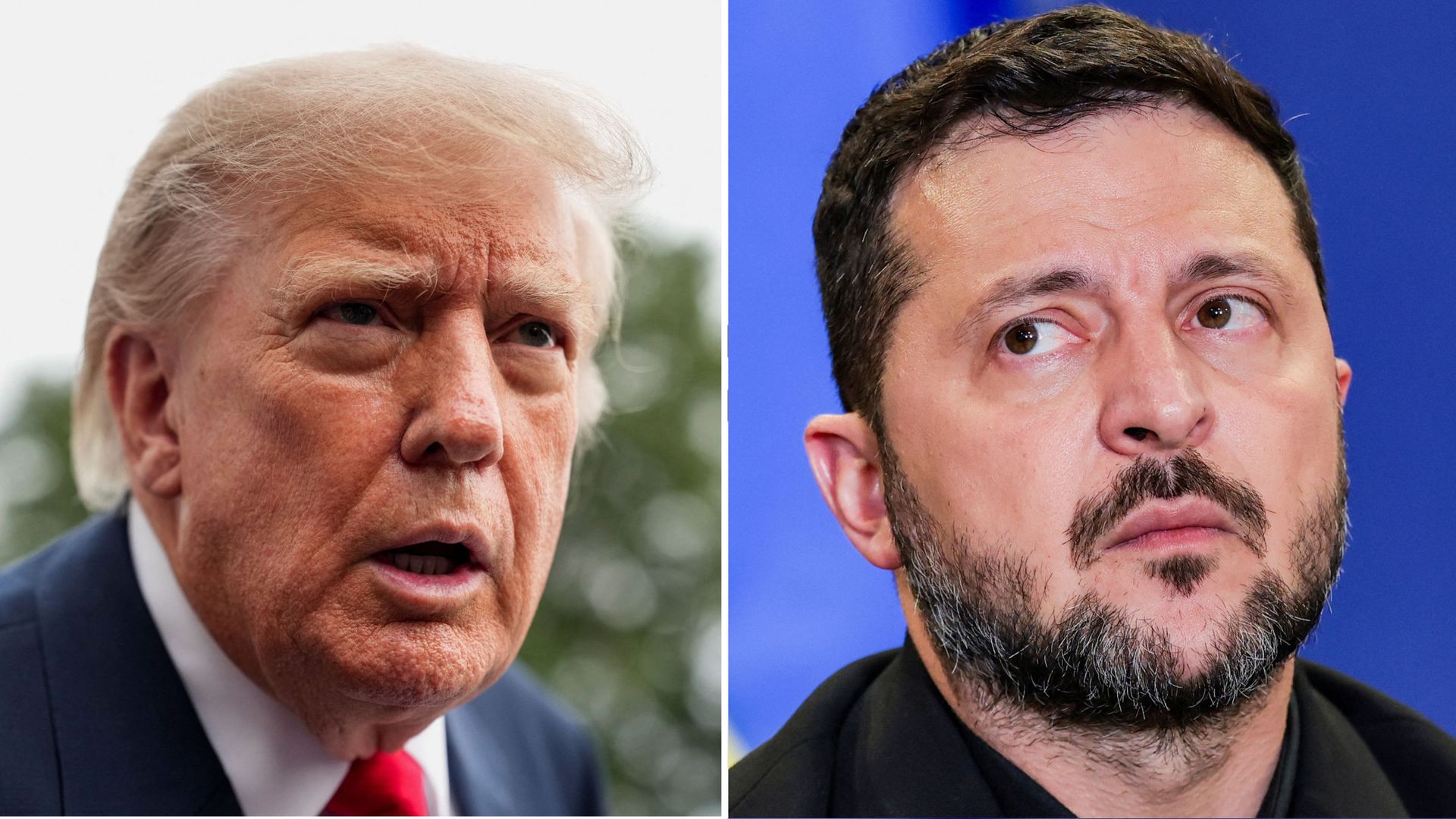
Trump's Russia Diesel Deal Draws Zelenskyy's Scathing Rebuke
Donald Trump secured a diesel deal with Russia, prompting Ukrainian President Zelenskyy to condemn it as a "weak decision" and a "gift to Putin."
Former U.S. President Donald Trump has reportedly reached an agreement to secure diesel fuel from Russia, a move that has drawn sharp criticism from Ukrainian President Volodymyr Zelenskyy. Zelenskyy publicly denounced the decision, labeling it a "weak decision" and asserting that it amounts to a "gift to Putin."
The reported agreement comes at a time of heightened geopolitical tensions and ongoing conflict in Eastern Europe, where Russia's energy exports remain a significant factor in global markets and a key source of revenue for the Kremlin. The specifics of the deal, including the volume of diesel and the terms of its acquisition, have not been fully disclosed.
President Zelenskyy's strong reaction underscores the delicate balance of international relations and the ongoing debate surrounding energy supplies and their impact on the conflict. His administration has consistently advocated for stringent sanctions against Russia and has expressed concerns about any actions that could be perceived as supporting or benefiting the Russian economy.
The implications of this reported deal extend beyond immediate energy markets. It raises questions about the foreign policy approach of potential future U.S. administrations and their willingness to engage with Russia, particularly concerning critical resources like energy. Analysts suggest such agreements could influence broader international efforts to isolate Russia economically.
Past U.S. administrations have navigated complex relationships with Russia, with energy policy often at the forefront of discussions. Previous sanctions and diplomatic efforts have aimed to curb Russia's influence, making any new energy-related agreement a subject of intense scrutiny.
Reactions from other international bodies and leaders are yet to be widely reported, but Zelenskyy's condemnation is likely to resonate with countries that have been staunch allies of Ukraine and vocal critics of Russian aggression. The energy sector, particularly oil and gas, has been a central element in the ongoing geopolitical landscape.
Further details about the agreement's duration, pricing mechanisms, and any potential intermediaries involved are crucial for a comprehensive understanding of its impact. The transparency surrounding such deals is often a point of contention, especially when they involve nations with strained diplomatic ties.
Unresolved questions remain regarding the potential impact on global diesel prices, the extent to which this deal might influence other nations' energy procurement strategies, and the broader geopolitical ramifications for ongoing international efforts related to the conflict in Ukraine.
This article was written by AI based on publicly available news reporting. Original reporting by the linked source.