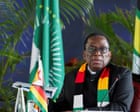
Zimbabwe Senate Approves Constitutional Changes, Critics Cry 'Coup'
Zimbabwe's senate approved constitutional amendments extending presidential terms to seven years, sparking fears of a 'constitutional coup' and tighter authoritarian control.
Zimbabwe's upper house of parliament has approved constitutional amendments that will extend presidential terms from five to seven years, a move that critics are decrying as a "constitutional coup." The senate voted 75-4 in favour of the amendments on Wednesday, which will allow President Emmerson Mnangagwa to potentially remain in office until 2030.
The proposed changes also include replacing direct presidential elections with an appointment system by parliament. This bill has already passed the lower house and is expected to be signed into law by President Mnangagwa next month. The government asserts that these amendments are intended to foster stability within the nation.
Opposition figures and civil society groups have voiced strong concerns that these alterations will consolidate the power of the 83-year-old Mnangagwa and his ZANU-PF party, which has governed Zimbabwe since its independence in 1980. Mnangagwa secured his second term in the 2023 presidential election with 52.6% of the vote, an election that faced criticism from international observers and opposition parties regarding its process.
Critics have warned that these constitutional changes could lead Zimbabwe back towards the repressive era experienced under former President Robert Mugabe, who was ousted in 2017 after 37 years in power, following a coup reportedly led by Mnangagwa himself. The shift away from direct presidential elections is a significant point of contention.
Makomborero Haruzivishe, a spokesperson for the Constitutional Defenders Forum (CDF), a group actively campaigning against the amendments, described the move as "a calculated constitutional coup against the people of Zimbabwe." He further stated that the changes "strip citizens of the fundamental right to directly elect their president, replacing popular sovereignty with parliamentary selection by a captured legislature."
Responding to the accusations, Nick Mangwana, the permanent secretary in Zimbabwe’s information ministry, defended the legislative process. He stated that characterizing the amendments as a "coup" is "factually incorrect and deeply disrespectful to the sovereign parliamentary processes of the Republic of Zimbabwe." Mangwana emphasized the legitimacy of the parliamentary procedures involved in passing the bill.
This development raises significant questions about the future of democratic processes in Zimbabwe. The move away from direct popular vote for the presidency, coupled with the extended term limits, could fundamentally alter the country's political landscape and its trajectory towards democratic governance.
The international community and domestic observers will be closely watching the implementation of these changes and their impact on civil liberties and political freedoms within Zimbabwe, particularly in light of past criticisms of electoral integrity and governance under the ZANU-PF party.
This article was written by AI based on publicly available news reporting. Original reporting by the linked source.