1,200-year-old 'Robin Hood' oak tree dies, RSPB confirms
The ancient Major Oak, a 1,200-year-old tree linked to the Robin Hood legend, has died after years of decline, a wildlife charity announced.
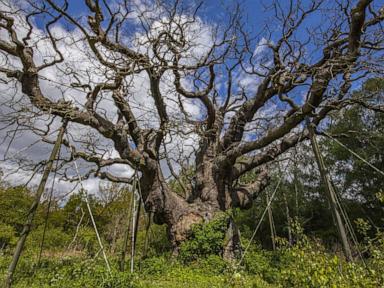
The Major Oak, a 1,200-year-old ancient oak tree famously situated in Sherwood Forest, the legendary home of Robin Hood, has died, according to a prominent U.K. wildlife conservation charity. The Royal Society for the Protection of Birds (RSPB), which manages the Sherwood Forest Nature Reserve, confirmed the tree's demise after it failed to produce leaves this spring, marking a significant loss for the iconic woodland.
The tree, a symbol of the historic forest and a major draw for tourists, was estimated to be around 1,200 years old and was renowned for its immense size, with a trunk circumference of approximately 36 feet. Its gnarled branches and imposing presence made it a focal point for visitors from around the world, deeply intertwined with the lore of Robin Hood and his Merry Men.
Wildlife charity RSPB stated that the exact cause of the tree's death could not be definitively determined. However, contributing factors are believed to include a weakened root system, poor soil conditions, and potentially the cumulative effects of well-intentioned preservation efforts over the years. These efforts, such as metal bracing and coverings, may have hindered the tree's natural aging process. The charity also cited the impact of climate change, including recent heat waves and drought, as potential stressors.
Despite its death, the Major Oak will continue to stand in its location within the Sherwood Forest Nature Reserve, serving as a lasting emblem in the landscape. The RSPB highlighted that the tree will still provide valuable habitat through its decaying wood. Furthermore, acorns and cuttings from the tree have been successfully cultivated into saplings, ensuring a continuation of its legacy.
Hollie Drake, senior site manager at RSPB Sherwood Forest, expressed that while the tree's passing is heartbreaking, its legacy is secured by its strong association with Robin Hood and Sherwood Forest. She noted that the organization is committed to nurturing the Major Oak's offspring, which have been planted globally, to ensure they grow and potentially foster new legends.
The RSPB's efforts to preserve the Major Oak involved various measures over the years, attempting to support its aging structure and protect it from the elements. However, the organism's natural processes were complex, and the combination of environmental pressures and historical interventions likely played a role in its ultimate decline.
The news of the Major Oak's death has resonated with many who have visited Sherwood Forest or have a connection to the Robin Hood stories. It underscores the vulnerability of ancient trees to environmental changes and the challenges of preserving natural heritage sites that hold significant cultural and historical value.
The RSPB plans to continue its work at the Sherwood Forest Nature Reserve, focusing on conservation efforts for the wider ecosystem and ensuring that the spirit of the Major Oak lives on through its descendants and the enduring legend of Robin Hood.
This article was written by AI based on publicly available news reporting. Original reporting by the linked source.