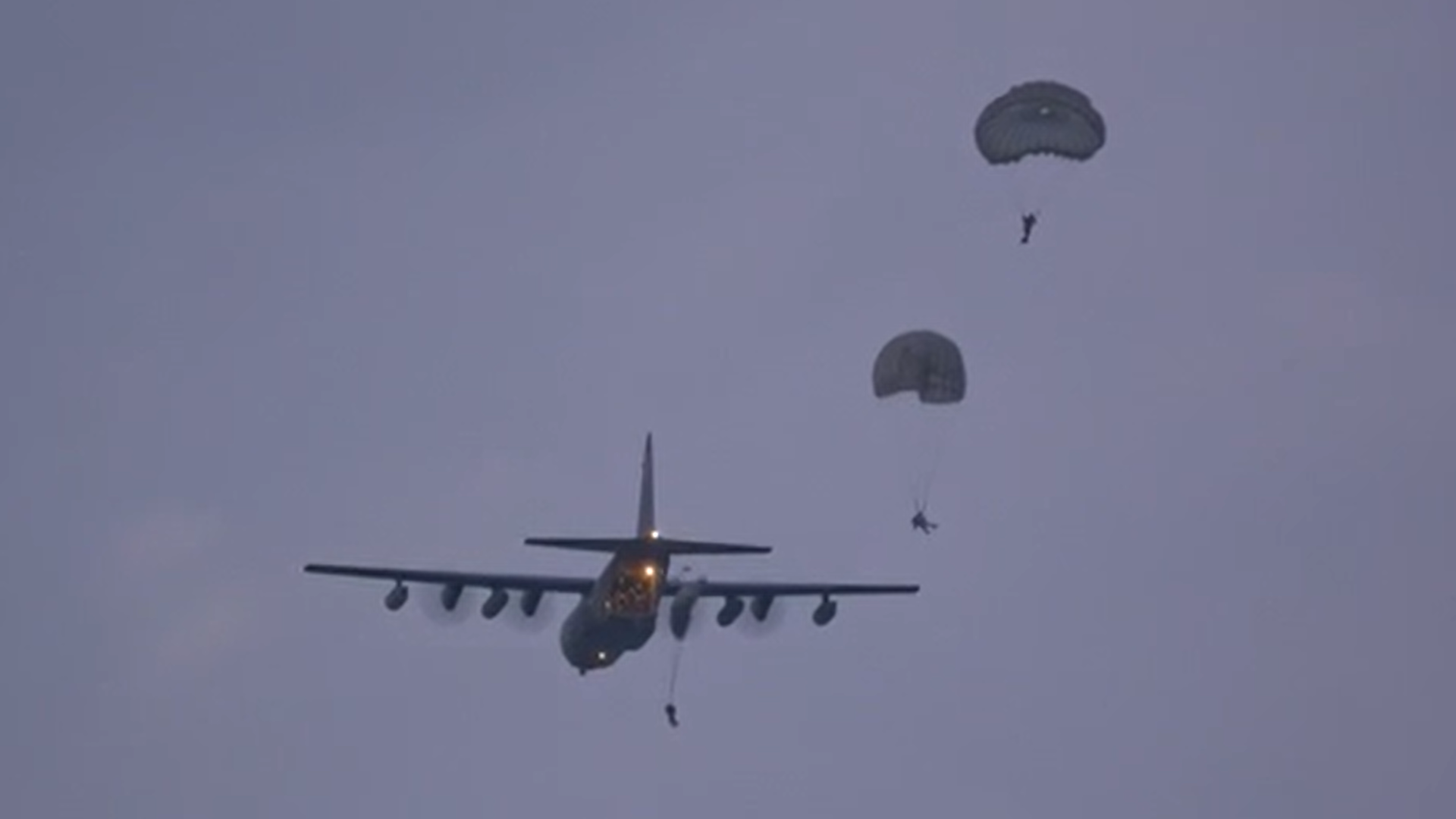
3,000 NATO Special Forces Train in Europe Amid US Support Cuts
NATO's largest European special forces exercise involves 3,000 troops from 24 nations, occurring as US support to allies faces reduction.
Approximately 3,000 elite special forces personnel from the United States, the United Kingdom, and 22 other NATO member nations are currently participating in the alliance's most extensive special forces exercise in Europe. The drills are underway as former President Donald Trump has indicated a potential reduction in US support for allied nations.
The exercise, designed to enhance interoperability and readiness among NATO's elite units, is taking place against a backdrop of evolving geopolitical challenges and shifting alliances. The participation of such a large contingent underscores NATO's commitment to collective security and its ongoing efforts to maintain a robust defense posture across the continent.
Key aspects of the training involve complex scenarios simulating real-world threats, requiring seamless coordination between multinational forces. The involvement of troops from 24 countries highlights the broad scope of the operation and the shared security interests of the participating nations. While specific details of the exercise objectives are not fully disclosed, such drills typically focus on counter-terrorism, intelligence gathering, and rapid response capabilities.
The timing of the exercise, coinciding with discussions around potential changes in US foreign policy and defense commitments, brings added significance to the event. The participation of US special forces, even amidst political uncertainty, signals a continued dedication to NATO operations. However, the broader implications for future transatlantic security cooperation remain a subject of ongoing debate and observation.
This large-scale training operation serves as a critical platform for validating joint operational procedures and strengthening the bonds between allied special operations forces. The exercise aims to ensure that NATO's most specialized units can operate effectively together in a crisis.
Experts suggest that such exercises are vital for maintaining deterrence and demonstrating NATO's resolve. The ability of diverse national units to integrate and function as a cohesive force is a cornerstone of the alliance's operational effectiveness.
Further analysis will likely focus on the specific capabilities demonstrated during the exercise and how they align with NATO's strategic defense priorities. The outcome and lessons learned could influence future training programs and resource allocation within the alliance.
The geopolitical climate necessitates continuous adaptation and robust military preparedness. This exercise represents a significant investment in ensuring NATO's special forces are equipped and trained to face contemporary security threats.
This article was written by AI based on publicly available news reporting. Original reporting by the linked source.