7 Americans Quarantined at Controversial US-Backed Ebola Facility in Kenya
Seven American aid workers are quarantined at a US-backed Ebola facility in Kenya, despite local opposition and court orders halting its construction.
Seven American aid workers are currently being quarantined at a U.S.-backed Ebola isolation facility in Kenya, according to the charity group Samaritan's Purse. The organization stated that none of the seven employees have developed symptoms.
The quarantined individuals are part of Samaritan's Purse's 72-member Disaster Assistance Response Team deployed to assist with the Ebola outbreak in the Democratic Republic of Congo. The team comprises 44 Americans and members from nine other nations.
Franklin Graham, president and CEO of Samaritan’s Purse, confirmed the workers are undergoing the standard 21-day isolation period. He described their accommodations as large military tents within a fenced gravel area, sleeping on military cots, and receiving food from the U.S. military. Graham stated he had spoken with them by phone and expressed gratitude for their work on the front lines of the Ebola crisis.
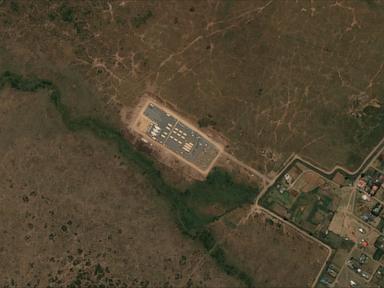
The facility, located at the Laikipia Air Base near Nanyuki, Kenya, was established to monitor Americans exposed to Ebola in the DRC or Uganda before their return to the U.S. The quarantine period is 21 days.
The project has encountered significant opposition within Kenya. Critics argue that the U.S. is offloading potential health risks and responsibilities onto Kenya, a nation with no recorded Ebola cases. Local civil society groups have voiced concerns over the lack of public consultation and necessary approvals for the facility's construction.
Kenya's High Court had previously ordered a halt to the construction. Health Cabinet Secretary Aden Duale was found in contempt of court for allowing work to continue, and he subsequently announced an immediate stop to all activities at the site. Despite these legal challenges, the facility was completed.
The seven Samaritan’s Purse workers are believed to be the first occupants of the controversial isolation center. ABC News has sought comment from the Kenyan health minister and other government officials but had not received a response at the time of reporting.
The presence of the facility and the quarantine of American workers highlights the complex logistical and political challenges involved in managing international health crises and aid worker safety.
This article was written by AI based on publicly available news reporting. Original reporting by the linked source.