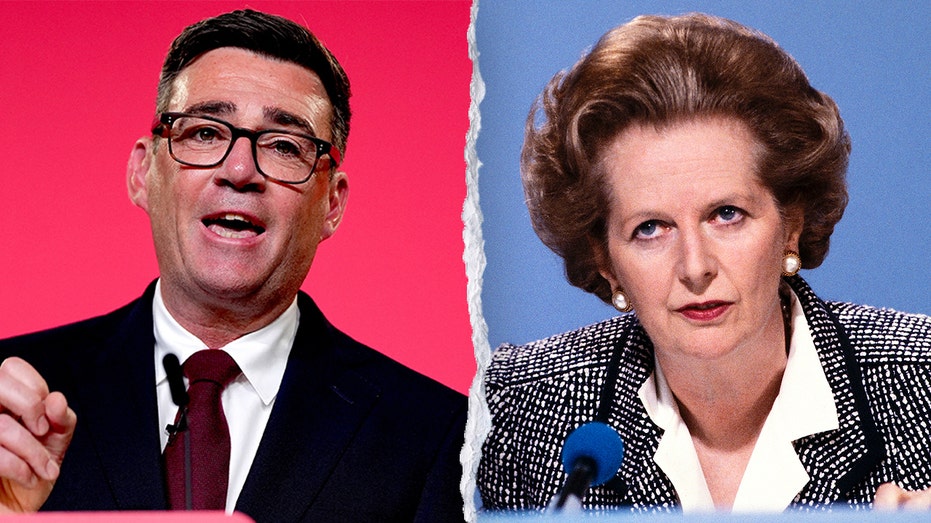
Andy Burnham Rejects Thatcherism, Signals Major Leftward Shift for UK
Incoming UK Prime Minister Andy Burnham is moving away from Thatcher-era policies, signaling a significant leftward shift in British politics.
Andy Burnham, poised to become the United Kingdom's next Prime Minister, has signaled a decisive break from the economic policies championed by Margaret Thatcher, indicating a substantial leftward shift for the nation's political direction. This move signals a departure from decades of market-oriented reforms that have defined much of recent British economic history.
Burnham's stance suggests a potential re-evaluation of the role of the state in the economy, a move that could impact public services, labor relations, and industrial strategy. The Thatcher era, characterized by privatization, deregulation, and a reduction in the power of trade unions, fundamentally reshaped Britain's economic landscape. Burnham's rejection of these policies implies a potential return to greater state intervention and a stronger emphasis on social welfare and public ownership.
While specific policy proposals remain to be detailed, Burnham's rhetoric indicates a focus on strengthening public services, addressing wealth inequality, and potentially re-nationalizing key industries. This approach aligns with traditional left-wing principles, emphasizing collective well-being and a more equitable distribution of resources over unchecked market forces.
The implications of this potential policy shift are far-reaching, potentially altering the United Kingdom's economic model and its standing on the global stage. A move away from Thatcher-era policies could redefine the relationship between the government, businesses, and citizens, with significant consequences for employment, taxation, and social mobility.
Burnham, a prominent figure within the Labour Party, has previously voiced criticisms of the long-term effects of Thatcherism, arguing that it has contributed to regional inequalities and a decline in public services. His leadership is expected to prioritize areas such as the National Health Service (NHS), education, and infrastructure, potentially through increased public investment and a more robust regulatory framework.
This potential pivot comes at a time of considerable economic and social challenges for the UK. Issues such as inflation, cost of living pressures, and regional disparities are at the forefront of public concern. Burnham's proposed policies are likely to be framed as a direct response to these challenges, offering an alternative vision to the prevailing economic orthodoxy.
Experts are closely watching to see how these proposed shifts will translate into concrete legislation and policy. The extent of the leftward movement and its impact will depend on the specific measures introduced and the political capital Burnham can command to implement them. The response from business sectors and international markets will also be a key factor.
Questions remain about the economic feasibility and long-term sustainability of a more interventionist approach. The success of Burnham's agenda may hinge on his ability to balance increased public spending with fiscal responsibility, and to navigate the inevitable political and economic headwinds that such a significant policy reversal might encounter.
This article was written by AI based on publicly available news reporting. Original reporting by the linked source.