Army Sergeant's Wife Deported Amid Trump's Immigration Crackdown
The wife of an active-duty Army sergeant was deported to Honduras, highlighting the impact of President Trump's immigration policies on military families.
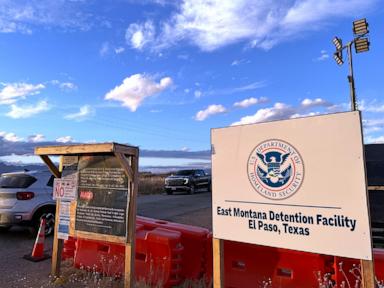
The wife of an active-duty Army sergeant, Cristy Maryori Villafranca Trejo, was deported to Honduras on Monday, a move that underscores the reach of President Trump's intensified immigration enforcement efforts into military households. Army Sergeant Hedar Leonel Turcios Juarez confirmed his wife's removal, stating that she was detained by Immigration and Customs Enforcement (ICE) officers outside a Walmart in July, an incident witnessed by their six-year-old daughter.
Villafranca Trejo had initially left Honduras in 2016 to escape violent crime. After completing high school in the United States, her husband, Turcios Juarez, joined the military. He became a U.S. citizen in 2024 following a nine-month deployment to the Middle East. It was after achieving his own citizenship that he began the process to gain citizenship for his wife, hoping his military service would expedite her naturalization.
Turcios Juarez described his wife as a supportive partner who managed their family during his extensive deployment. He expressed his distress over her detention, stating she posed no threat and that the family's primary concern was remaining together. The Department of Homeland Security confirmed Villafranca-Trejo's removal, describing her as an "illegal alien from Honduras" who entered the U.S. in 2016 and was released under the Obama administration. ICE confirmed the targeted enforcement operation occurred on July 11.
This case highlights a growing concern among advocacy groups that President Trump's "mass deportation campaign" is impacting families with ties to the U.S. military. According to an Associated Press investigation, more than 50 parents and spouses of service members have been affected during Trump's second term, with at least six individuals deported.
Danitza James, CEO of Repatriate Our Patriots, an organization assisting military families with immigration issues, stated that the group is currently working with eight active-duty service members and one veteran whose family members have been detained. James noted that beyond legal aid, their strategy has largely relied on appealing to Congress for assistance.
The deportations complicate the administration's narrative that immigration enforcement is solely focused on "the worst of the worst" and "dangerous criminals," as President Trump has frequently stated. The cases of military spouses and parents raise questions about the administration's criteria for enforcement and the potential collateral damage to service members' families.
Villafranca-Trejo's situation is not unique, as reports indicate several other families are facing similar challenges. These situations create significant hardship for service members who are dedicated to their U.S. military service while simultaneously navigating the complex and often uncertain immigration status of their loved ones.
Unresolved questions remain regarding the specific criteria used for targeting these individuals and the long-term implications for military recruitment and morale if families of service members are subject to deportation. The cases continue to draw attention from immigration advocates and lawmakers.
This article was written by AI based on publicly available news reporting. Original reporting by the linked source.