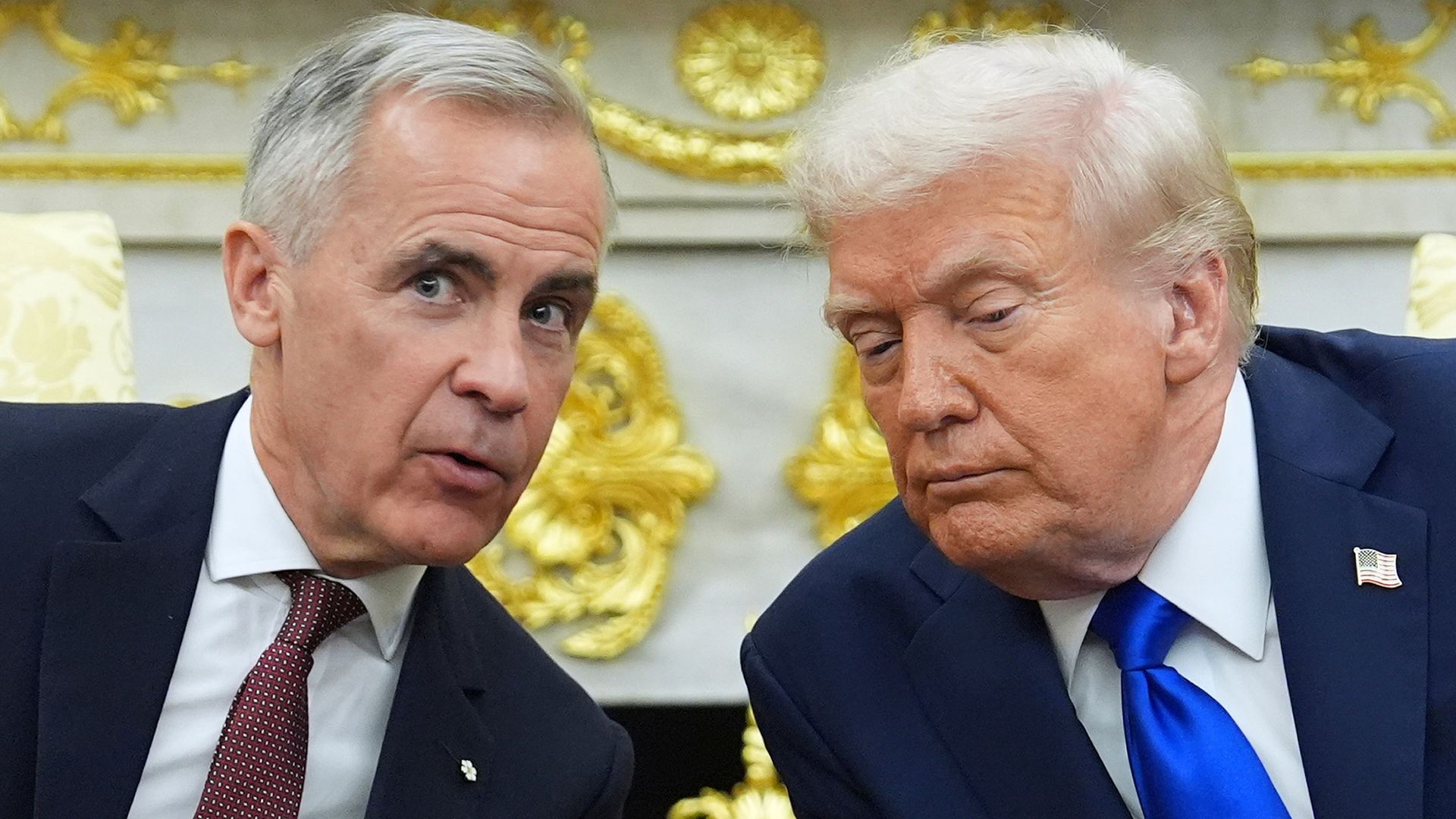
Canada Threatens Power Cut to US Amid Trump Tariff Dispute
A Canadian politician threatened to halt electricity and mineral exports to the U.S. following President Trump's new 50% tariffs.
A Canadian politician has issued a stark warning, threatening to sever electricity and crucial mineral supplies to the United States in response to President Donald Trump's imposition of steep new tariffs.
The dramatic escalation follows the U.S. administration's decision to raise tariffs on certain Canadian goods to a significant 50%, a move that has sent ripples of concern through bilateral trade relations.
While specific details of the politician's statement and the exact goods targeted by the new tariffs were not fully elaborated in the initial report, the threat signals a potential severe disruption to American energy and resource needs. The politician's statement implied a "fall in line" approach from the U.S. was expected.
This retaliatory threat highlights the precarious nature of the economic interdependence between the two North American neighbors. A cutoff of electricity, in particular, could have immediate and widespread consequences for U.S. communities and industries reliant on Canadian power imports.
Historically, Canada and the United States have maintained one of the largest trading relationships in the world, with energy and raw materials forming a foundational pillar of this exchange. Disruptions to these flows can have cascading economic effects, impacting supply chains, consumer prices, and industrial output on both sides of the border.
The escalating rhetoric and the potential for concrete action underscore the volatile environment surrounding international trade under the current U.S. administration. Such disputes can quickly evolve, drawing in various sectors and stakeholders.
Further analysis will be needed to understand the full scope of the threatened cutoffs, including which specific minerals and electricity grids would be affected. It also remains to be seen how U.S. officials will react to this direct challenge, and whether diplomatic channels can de-escalate the situation before significant economic damage occurs.
This development adds another layer of complexity to ongoing trade negotiations and underscores the broader implications of protectionist policies for global economic stability.
This article was written by AI based on publicly available news reporting. Original reporting by the linked source.