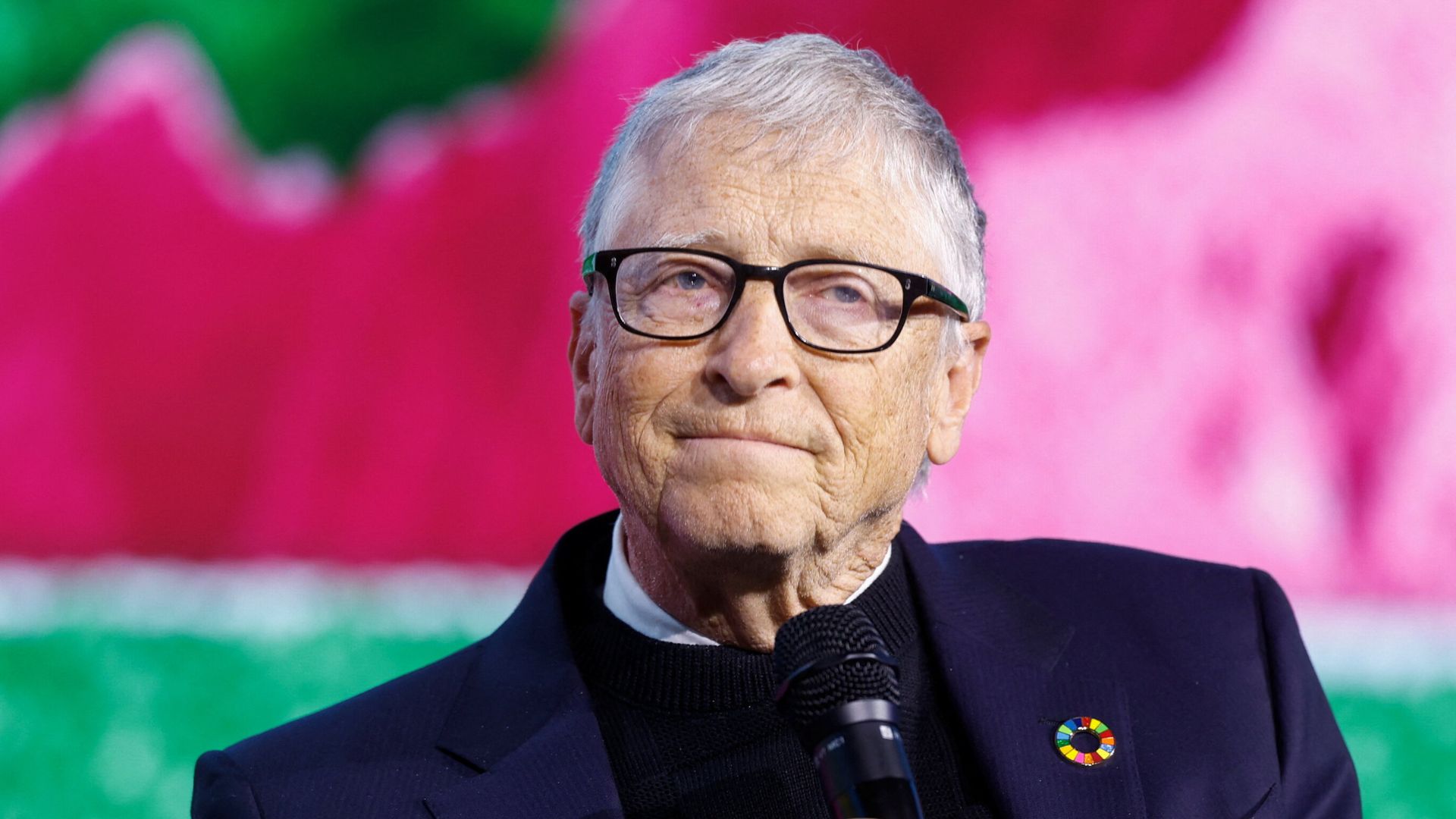
Bill Gates: AI Global Framework Talks Harder Than Cold War Nuclear Negotiations
Bill Gates warns that establishing a global AI framework will be more challenging than Cold War nuclear arms talks.
Microsoft founder Bill Gates has issued a stark warning, suggesting that the international effort to establish a global framework for artificial intelligence may prove more complex than the Cold War-era negotiations aimed at restricting nuclear weapons.
This comparison highlights the immense challenge of achieving global consensus on AI governance. The rapid advancement and pervasive potential of AI technologies necessitate international cooperation on safety, ethics, and deployment, yet national interests and differing priorities among countries present significant hurdles.
Gates's assessment, shared in a recent statement, underscores the difficulty of aligning diverse global perspectives on a technology that is rapidly evolving and has profound implications for economies, societies, and national security. The stakes are high, as uncontrolled AI development could lead to unforeseen risks.
The implications of failing to establish a unified approach to AI regulation are considerable. Without international agreements, there is a risk of a fragmented regulatory landscape, potentially hindering beneficial AI development or, conversely, allowing for the proliferation of dangerous applications.
Historically, international arms control treaties, such as those concerning nuclear weapons, were fraught with tension and required decades of painstaking diplomacy. However, the sheer speed of AI's development and its multifaceted applications across civilian and military domains present a unique and potentially more intricate set of challenges.
Experts have noted that unlike nuclear weapons, which are primarily a concern for state actors, AI's impact is far broader, affecting everything from job markets to disinformation campaigns, and involving both state and non-state actors. This wider scope complicates the negotiation process.
Discussions around AI governance are already underway in various international forums, but reaching a unified global framework requires overcoming significant differences in technological capabilities, economic dependencies, and perceived threats among nations.
Key questions remain about how to balance innovation with safety, ensure equitable access to AI benefits, and prevent its misuse. Gates's comparison suggests that the path to a globally agreed-upon AI framework will be long and arduous, demanding unprecedented international cooperation.
This article was written by AI based on publicly available news reporting. Original reporting by the linked source.