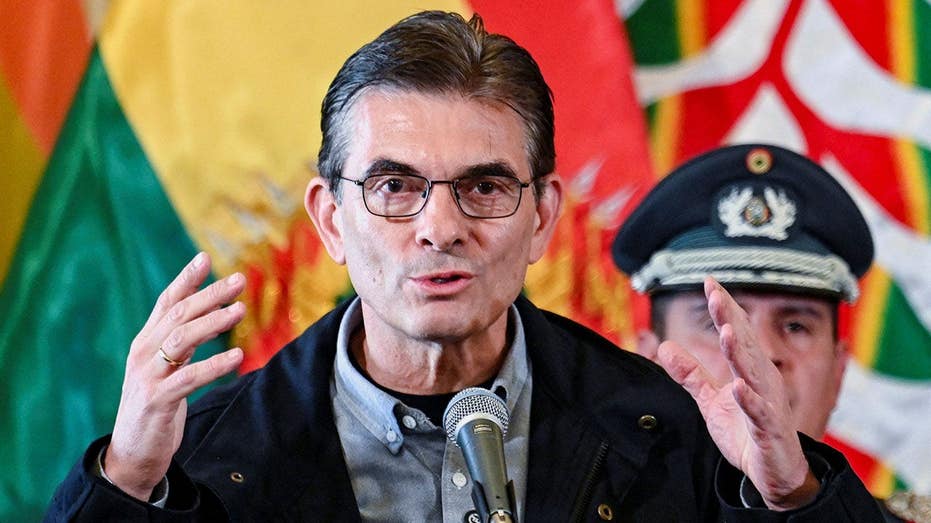
Bolivia Embraces US Investment, Rejects Socialism Under New Government
Bolivia's new government is opening its economy to U.S. investment and growth, signaling a shift away from socialist policies.
Bolivia's new administration has announced a significant pivot in economic policy, signaling a strong openness to United States investment and a departure from previous socialist economic models. The move aims to stimulate growth and modernize the South American nation's economy.
This shift represents a potentially major change for Bolivia, a country that has historically grappled with economic instability and varying political ideologies. The decision to welcome foreign capital, particularly from the U.S., suggests a strategic effort to integrate more deeply into the global market and attract much-needed funding for development.
Officials have indicated that the government is prioritizing policies designed to create a more favorable business environment. This includes streamlining regulations and offering incentives intended to attract international companies. The focus is on economic growth and job creation, with the expectation that increased foreign investment will be a key driver.
The implications of this policy change are far-reaching. It could lead to increased economic activity, technological transfer, and improved infrastructure within Bolivia. Furthermore, it may signal a broader trend of economic reorientation in the region, potentially influencing other nations' approaches to foreign investment and economic development.
This economic opening comes at a time when many countries are seeking new avenues for growth and stability. Bolivia's government appears to be betting that a more market-oriented approach, coupled with strong international partnerships, is the most effective path forward. The rejection of past socialist policies is framed by the current administration as a necessary step to unlock the country's full economic potential.
While specific details on the types of investments being sought or the exact regulatory changes are still emerging, the overarching message from the government is one of welcome and opportunity. The administration is keen to position Bolivia as a reliable and attractive destination for global businesses looking for new markets and investment prospects.
Experts suggest that the success of this new economic strategy will depend on a variety of factors, including the government's ability to maintain political stability, combat corruption, and implement consistent, transparent economic policies. The long-term impact on Bolivia's economy and its relationship with international financial institutions remains to be seen.
The government's commitment to this new direction will be closely watched by both domestic stakeholders and international observers, as Bolivia seeks to chart a new course towards prosperity and economic integration.
This article was written by AI based on publicly available news reporting. Original reporting by the linked source.