Trump proposes renaming New Mexico 'New America' in social media posts
President Trump proposed renaming New Mexico 'New America' on social media, drawing criticism from state leaders.
President Donald Trump has floated the idea of renaming the state of New Mexico to 'New America' through a series of social media posts over the recent long weekend. The proposal surfaced as the President has been actively seeking to rename bodies of water that bear foreign names, aiming to incorporate 'America' into their official U.S. federal government designations.
While the President possesses the authority to unilaterally alter geographic names for official federal use, his power does not extend to changing the names of U.S. states. The name 'New Mexico' is enshrined in the state's constitution, and its admission to the Union in 1912 followed an Enabling Act passed by Congress in 1910, which authorized the territory to establish its state government.
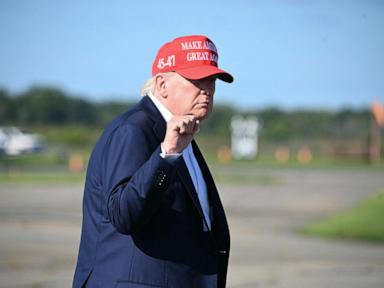
During his time in Bedminster, New Jersey, Trump reportedly made at least seven social media posts on Monday advocating for the name change. These posts quickly garnered significant backlash from prominent New Mexico political figures. Governor Michelle Lujan Grisham was among the first to publicly denounce the idea, stating on X that the state's name is not subject to debate and has been in use since before the nation's existence.
Governor Lujan Grisham contrasted the President's focus on renaming with her administration's efforts to support working families. She highlighted initiatives such as free childcare and college, healthcare access protection, and housing investments, suggesting that while the White House is 'coloring on maps,' New Mexico is actively addressing the needs of its residents and is 'busy doing the work.'
Both of New Mexico's U.S. Senators also voiced their opposition to the President's proposal. Senator Martin Heinrich declared on X that he would always refer to the state, the Gulf of Mexico, and Lake Ontario by their established names. Senator Ben Ray Luján echoed this sentiment, asserting on X that the state's name is 'New Mexico, always has been and always will be,' adding a pointed remark about the President's character.
The President's repeated attempts to alter names of geographical features, particularly those with foreign associations, appear to be part of a broader pattern of asserting national identity. However, the resistance from state-level officials and senators underscores the constitutional and political limitations on such unilateral actions when it comes to established statehood.
The controversy also coincides with broader national concerns, as highlighted by Governor Lujan Grisham, including the ongoing war in Iran, rising gas prices, increased grocery costs, and challenges in healthcare access and housing affordability. These issues represent pressing concerns for American families, which the governor suggested are being overshadowed by the President's renaming proposals.
Questions remain about the President's motivation behind these persistent renaming efforts and whether any further action will be taken beyond social media pronouncements, particularly given the clear legal and constitutional barriers to changing a state's name without broader consensus and legislative approval.
This article was written by AI based on publicly available news reporting. Original reporting by the linked source.