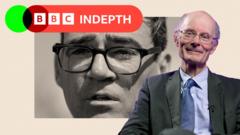
Burnham Bounce Real but Limited, Curtice Says; Labour Polls Rise
Professor Sir John Curtice confirms a 'Burnham bounce' in Labour's poll numbers, but warns the gains are not substantial enough for electoral confidence.
Labour is experiencing a notable increase in public support, dubbed the 'Burnham bounce,' following the change in prime minister, according to veteran politics professor Sir John Curtice. Recent opinion polls place Labour in the mid-20s, its highest standing since the beginning of last year and a significant rise from the 19% recorded in late June.
This uptick in Labour's popularity is attributed, in part, to the phenomenon often seen when a new leader takes the helm of a major party. Historically, most mid-term changes of prime minister have resulted in a boost for the incumbent government's popularity. For instance, Labour saw a seven-point increase after Gordon Brown replaced Tony Blair in 2007, and the Conservatives gained six points when Boris Johnson succeeded Theresa May in 2019. The only exception in recent years was Liz Truss's brief tenure, which coincided with the death of Queen Elizabeth II.
Professor Curtice highlighted that Labour inherited a significant electoral deficit, with its 19% rating upon Sir Keir Starmer's resignation being the lowest for any party leader departing mid-term. Against this backdrop, the replacement of a "deeply unpopular" Sir Keir with the "relatively popular" Burnham was almost certain to provide a short-term boost.
Despite the positive trend, Professor Curtice cautions that Labour's current average poll standing remains the lowest among newly appointed mid-term leaders. The party is still considerably behind the 35% it achieved in the 2024 general election. Furthermore, Labour's narrow lead over Reform in national polls suggests a long road ahead before facing a general election with confidence.
Labour's convincing victory in the recent Greater Manchester Mayoral by-election lends credence to the 'Burnham bounce.' While Labour's first-preference vote share of 47% was lower than Andy Burnham's previous result, it represented a near doubling of the party's local election performance and was four points higher than its tally in the 2024 general election for the region.
However, the narrow lead over Reform means an early general election remains unlikely. Professor Curtice suggests that Reform's recent difficulties, including questions surrounding its funding sources and potential undeclared income for Nigel Farage, may be more responsible for its slip from first place than Labour's increased popularity.
The data indicates that while the 'Burnham bounce' is a real phenomenon, its impact on Labour's national standing is not yet substantial enough to signal a decisive shift in electoral fortunes. The party must build on this momentum to overcome the deep electoral hole it has been in.
Further analysis will be needed to determine if this trend continues and translates into sustained electoral advantage for Labour, especially as the political landscape remains dynamic and subject to various influencing factors.
This article was written by AI based on publicly available news reporting. Original reporting by the linked source.