Burnham Pledges End to Rough Sleeping, Shifts Energy Policy in PM Role
Andy Burnham immediately prioritizes ending rough sleeping and signals a shift on energy policy, defining his early premiership.
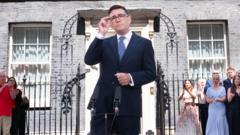
Newly appointed Prime Minister Andy Burnham has signaled his core priorities from the outset, announcing a commitment to end rough sleeping in the United Kingdom as his first major policy initiative. The announcement, made via email to Labour members shortly after taking office, signifies a strong personal focus on social welfare and a direct challenge to skepticism about the feasibility of such a goal.
Burnham’s pledge to tackle rough sleeping echoes his prior efforts as Mayor of Greater Manchester, where he made ending homelessness a key objective upon his election in 2017. Although his initial target of eradication by 2020 was not fully met, homelessness figures in the region have seen a significant reduction over the past decade. This policy choice aims to demonstrate his commitment to the Labour party's traditional base, emphasizing support for the most vulnerable.
The approach to rough sleeping is also seen as a direct appeal to the left wing of the Labour party, drawing parallels with past ambitions of former leader Jeremy Corbyn. However, the policy is anticipated to garner broader support across the party spectrum, unlike some of Burnham's other potential initiatives.
Looking ahead, Burnham is expected to introduce changes to the government's stance on oil and gas exploitation later this week. This potential shift, particularly with a new energy secretary in place, could raise concerns among Labour MPs about the government's commitment to net-zero targets, especially in constituencies facing competition from the Green Party. The move suggests a pragmatic approach to energy policy, potentially balancing environmental goals with immediate economic concerns.
Furthermore, the Prime Minister has promised to address the cost of living crisis, with further details anticipated. A potential extension of Greater Manchester's £2 bus fare cap is being considered as a concrete measure, offering a distinct approach compared to previous proposals. The rising cost of energy is also a likely area for government intervention.
Policy options are being developed by former head of the New Economic Foundation think tank, Miatta Fahnbulleh, who advocates for more ambitious measures such as rent controls and free bus travel for under-25s. The critical question remains whether Burnham will articulate a comprehensive vision beyond specific policies, including a detailed plan for how these initiatives will be funded.
Burnham has previously indicated a belief that income taxes are too high and wealth taxes too low, suggesting a potential rebalancing of the tax system. His public statements have hinted at raising tax thresholds for basic rate taxpayers and increasing capital gains tax, signaling a potential direction for fiscal policy that could impact various income groups and investors.
As Burnham navigates these early policy decisions, his actions are being closely watched to define the character and direction of his premiership, balancing his party's traditional values with the pragmatic demands of governing the nation.
This article was written by AI based on publicly available news reporting. Original reporting by the linked source.