Burnham Sacks Allies, Names Healey Chancellor, Cuts VAT in 24-Hour Blitz
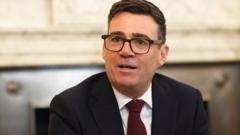
New Prime Minister Andy Burnham swiftly reshuffled his cabinet, appointed John Healey as Chancellor, and announced a VAT cut on energy bills.
Prime Minister Andy Burnham wasted no time in his first 24 hours in office, initiating a series of significant sackings and cabinet appointments, alongside a key policy announcement. Shortly after informing several of Keir Starmer's allies of their dismissal from the cabinet on Monday afternoon, John Healey was summoned to Number 10 for what would be a surprise appointment as the new Chancellor.
Healey's unexpected elevation to one of the most senior positions in government came amidst a flurry of activity from the new administration, signaling an intention to govern at pace. Among the first policy moves was a cut in Value Added Tax (VAT) on energy bills, a measure supported by the Conservative opposition, though questions have been raised about its funding.
The appointment of Healey, a former defence secretary who had previously resigned from Starmer's shadow cabinet over military spending, was a surprise to many, including himself, his Labour colleagues, and the public. His return to the cabinet table alongside Wes Streeting, now defence secretary, and Miatta Fahnbulleh, the new energy secretary, whose own resignations had previously weakened Starmer's leadership, has led to speculation about whether these moves were rewards for past actions or recognition of their skills.
Healey's selection as Chancellor has been met with approval by senior figures within the Ministry of Defence, who reportedly welcome a Treasury leader committed to increasing military spending. However, the same sources also expressed relief that Healey was not returning to his previous role, with one insider describing him as a "difficult person."
Some senior Conservatives have acknowledged the tactical cleverness of Healey's appointment, with one former Tory minister noting that Healey is "hard to attack" and possesses "Treasury-literate" knowledge, having served in the department under Tony Blair. This sentiment suggests an appreciation for his experience and perceived lack of vulnerability.
Behind the scenes, the new government faces the challenge of maintaining party unity. Anneliese Midgeley, a Burnham ally, has been tasked with ensuring loyalty among Labour MPs, including those who have been dismissed. The public criticism of Burnham's energy policy by former chief of the prime minister Darren Jones indicates that not all MPs will readily fall in line.
Discontent among those sacked is reportedly divided. One Labour MP suggested that dismissals were due to political differences, perceived incompetence, or unpopularity within the parliamentary Labour party. This internal dynamic could pose a significant challenge to Burnham's administration.
The rapid pace of Burnham's first day has also fueled speculation about the possibility of a snap general election, potentially capitalizing on an anticipated bounce in opinion polls. However, the political landscape remains complex, with figures like Nigel Farage advocating for an immediate election, while some within his own party express concerns about timing and preparedness.
This article was written by AI based on publicly available news reporting. Original reporting by the linked source.