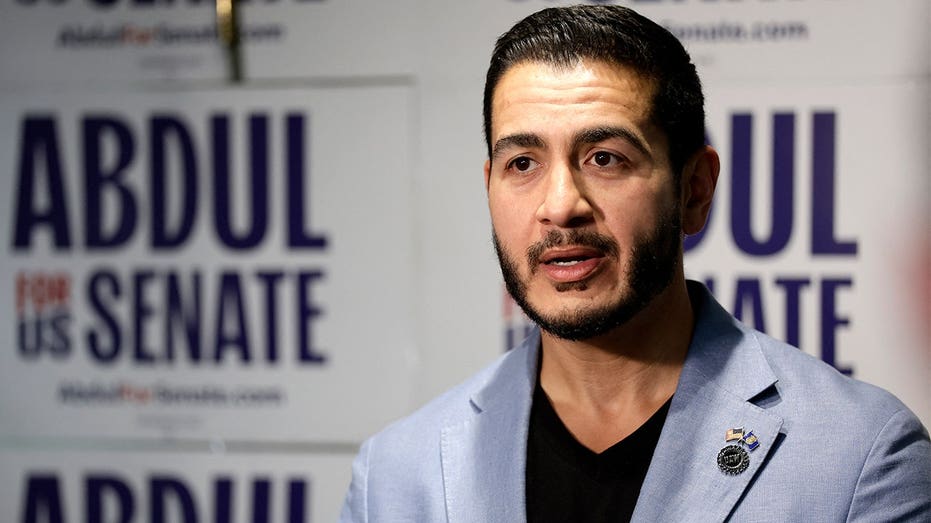
CBS News Faces Backlash for Report on Abdul El-Sayed's 9/11 Posts
CBS News is under fire for a report on Democratic hopeful Abdul El-Sayed's deleted 9/11 anniversary posts, sparking criticism from both sides of the aisle.
CBS News is facing significant criticism following a report detailing now-deleted social media posts made by Democratic political hopeful Abdul El-Sayed on the anniversary of the September 11th terrorist attacks. The report, which highlighted El-Sayed's past criticisms of the U.S. response to terrorism and the U.S. role in the Middle East, has drawn condemnation from various political factions.
El-Sayed, a former progressive congressional candidate and public health official, had previously shared posts on the anniversary of 9/11 that questioned the narrative surrounding the attacks and U.S. foreign policy. These posts, which had been removed from his social media accounts prior to CBS News's report, resurfaced and became the subject of media scrutiny.
The controversy centers on the timing and framing of the CBS News report. Critics argue that the report amplified divisive content from years prior and potentially misrepresented El-Sayed's stance, particularly given the sensitive nature of 9/11 commemorations. Some suggested the report was politically motivated, aimed at damaging El-Sayed's standing within the Democratic party.
In response to the backlash, CBS News defended its reporting, stating that it accurately reflected comments made by El-Sayed. However, the incident has reignited debates about how media outlets cover political figures and their past statements, especially concerning sensitive historical events. The report has also brought renewed attention to El-Sayed's political platform and his views on foreign policy and national security.
While El-Sayed himself has not issued a direct statement regarding the CBS News report, his past comments have consistently called for a re-evaluation of U.S. foreign intervention and the broader implications of the "war on terror." These views have often placed him at odds with more mainstream political figures and a segment of the public that views 9/11 through a lens of unwavering patriotism and condemnation of any perceived criticism of the U.S. response.
The report has also prompted discussions about the longevity of online content and the implications of past social media activity for public figures. In an era where digital footprints are extensive, past statements can resurface and be scrutinized years later, regardless of whether the individual has since changed their views or deleted the original posts.
Commentators have noted that such controversies can have a significant impact on political careers, particularly for rising figures like El-Sayed who are still building their public profile. The scrutiny highlights the challenges faced by politicians in navigating complex historical events and public memory.
Moving forward, the incident underscores the ongoing tension between journalistic inquiry into a public figure's record and the potential for such reporting to be perceived as biased or politically charged. It also raises questions about the editorial decisions made by news organizations when choosing which past statements to highlight and how to contextualize them for a contemporary audience.
This article was written by AI based on publicly available news reporting. Original reporting by the linked source.