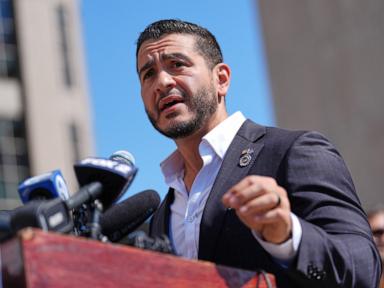
El-Sayed Wins Michigan Senate Primary, Faces Coalition Challenge
Abdul El-Sayed won Michigan's Democratic Senate primary, but now must unite diverse voters to defeat Republican Mike Rogers in November.
Abdul El-Sayed has secured the Democratic nomination for U.S. Senate in Michigan, overcoming a significant primary challenge to prove a progressive can win in a key battleground state. His victory on August 5, 2026, in Detroit, however, was narrower than anticipated, signaling that his primary task—building a broad coalition—begins now.
El-Sayed's campaign successfully energized progressive voters, younger demographics, and many Arab American constituents with a platform focused on economic issues like affordability, healthcare access, and curbing corporate influence. This base was sufficient to defeat establishment-backed Rep. Haley Stevens, despite substantial outside spending against him.
However, the general election requires a wider net than a primary. In his victory remarks, El-Sayed acknowledged this, praising Stevens and emphasizing shared goals over partisan differences. He extended an olive branch to voters across the political spectrum, including those who supported Donald Trump in 2024, framing issues like housing and healthcare as universal concerns.
The implications of El-Sayed's victory extend to the national effort to reclaim the Senate majority. Retiring Sen. Gary Peters, who had endorsed Stevens, stated that winning Michigan is crucial for Democrats and that El-Sayed's differences with Stevens pale in comparison to the contrast with Republican opponent Mike Rogers.
Rep. Haley Stevens has pledged her support to El-Sayed, expressing pride in continuing to work together to keep the Senate seat in Democratic hands. The challenge for El-Sayed will be to re-engage Stevens' supporters, maintain the enthusiasm of his core base, build upon support among Black voters, and appeal to independents and even disaffected Republicans.
The Michigan Democratic primary was characterized by months of internal division. El-Sayed's post-victory message underscored the need to move past these intra-party conflicts and focus on unifying the electorate for the November general election.
As El-Sayed himself stated, the goal is to highlight the common ground that unites voters more than the issues that might divide them. This approach will be critical as he navigates the complex political landscape of Michigan.
The path ahead involves a delicate balancing act: maintaining his progressive identity while demonstrating an ability to connect with a more centrist and diverse electorate, a necessary step to challenge Republican Mike Rogers.
This article was written by AI based on publicly available news reporting. Original reporting by the linked source.