Michigan Senate Race: Stevens, El-Sayed Clash as Party Wings Vie for Control
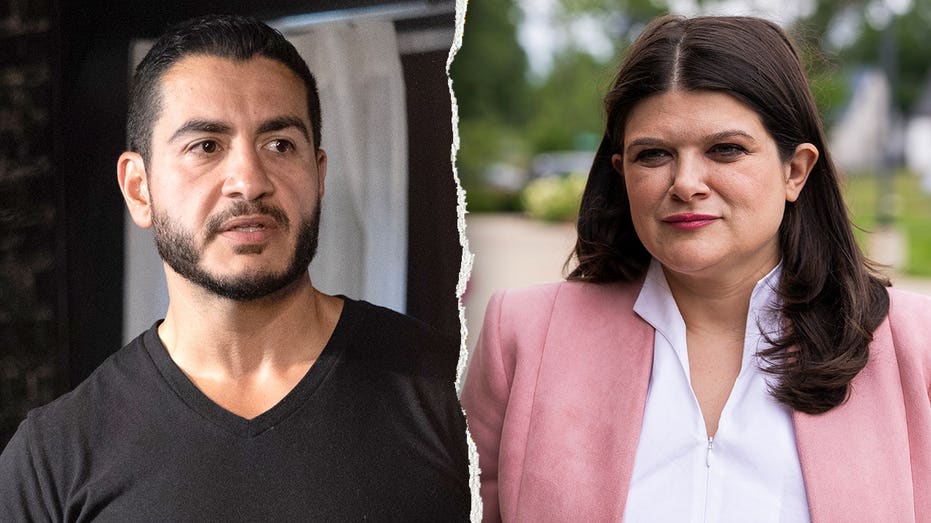
Rep. Haley Stevens and Abdul El-Sayed are locked in a fierce Democratic primary battle for Michigan's Senate seat.
The Democratic primary race for Michigan's open Senate seat has intensified, pitting two prominent figures against each other in a contest that reflects broader ideological divisions within the party. Representative Haley Stevens, seen as aligned with the Democratic establishment, faces a strong challenge from Dr. Abdul El-Sayed, a progressive voice who gained national attention during his 2018 gubernatorial bid.
The race is being closely watched as it could determine the balance of power in the Senate and signal the direction of the Democratic Party. The outcome in Michigan, a key swing state, will likely have significant implications for national politics in the lead-up to the 2026 midterms.
Stevens, a two-term congresswoman representing a suburban Detroit district, has emphasized her legislative experience and ability to work across the aisle. El-Sayed, a physician and former executive, is campaigning on a platform of bold policy changes, including universal healthcare and aggressive climate action, resonating with a more progressive base.
This primary contest highlights a recurring tension within the Democratic Party between its more moderate, establishment wing and its increasingly influential progressive flank. The Michigan race serves as a microcosm of this national debate over policy priorities and the party's future identity.
Sources close to the campaigns suggest that fundraising and grassroots organizing are key battlegrounds. Stevens has benefited from endorsements from established party figures and organizations, while El-Sayed has mobilized a dedicated base of younger voters and activists drawn to his more left-leaning policy proposals.
The primary election is expected to draw significant attention, with national implications for the Democratic Party's ability to unify behind its eventual nominee. The winner will face a Republican challenger in the general election, with control of the Senate potentially hanging in the balance.
Analysts note that the demographic makeup of Michigan's electorate, with its mix of urban, suburban, and rural voters, presents a complex challenge for both candidates. The ability to appeal to a broad coalition of voters will be crucial for success in both the primary and the general election.
As the campaign progresses, voters will be looking closely at each candidate's policy specifics, their perceived electability, and their vision for the state and the nation. The ongoing clash between Stevens and El-Sayed underscores the dynamic nature of contemporary Democratic politics.
This article was written by AI based on publicly available news reporting. Original reporting by the linked source.