Chicago Student Claims Cross Burning Was Anti-Trump Protest, Not Racism
A Chicago student stated a recent cross burning incident in a city park was an anti-Trump demonstration, not an act of racism.
A Chicago student has come forward to assert that a recent cross burning incident that occurred in a city park was intended as a protest against former President Donald Trump, rather than an act of racial hatred.
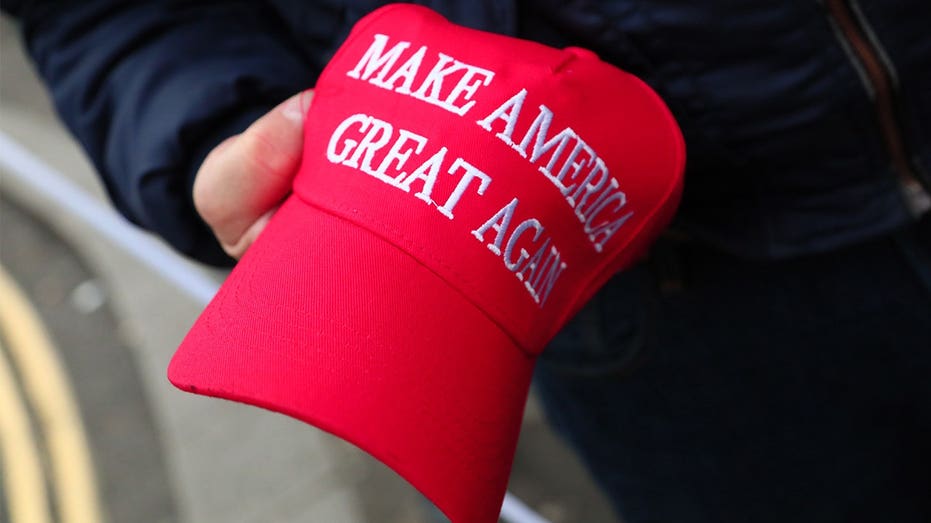
The incident, which took place in a public park, initially drew widespread condemnation and was widely interpreted as a racially motivated hate crime. However, the student, who has not been publicly identified, claims the action was politically motivated and directed at the "Make America Great Again" movement.
According to the student's account, the burning cross was meant to symbolize opposition to Trump and his supporters. The student reportedly stated that the act was intended to convey a message against the political rhetoric and policies associated with the former president's platform, particularly its perceived divisive nature.
This recharacterization of the event shifts the focus from a hate crime to a political act, raising questions about the interpretation of such symbols and their use in contemporary political discourse. The student's claim suggests a complex layering of symbolism, where a historically charged image of a burning cross is repurposed to convey a political message.
The incident has sparked debate about the motivations behind provocative public displays and the potential for symbols to carry multiple, sometimes conflicting, meanings. While cross burnings have a well-documented history as symbols of racial terror, particularly against Black communities, this student's explanation introduces a new dimension to the narrative.
Authorities are reportedly reviewing this new information as part of their ongoing investigation into the incident. The student's statement adds a layer of complexity to the case, requiring investigators to consider the intent behind the act in addition to its historical context and public perception.
Reactions to the student's claim have been mixed. Some have expressed skepticism, pointing to the deeply ingrained association of cross burnings with racism. Others suggest that the incident highlights how political polarization can lead to extreme forms of expression, regardless of the specific target.
Further investigation will be necessary to corroborate the student's account and determine the full scope of motivations behind the cross burning. The outcome of the investigation could influence how similar incidents are understood and prosecuted in the future, particularly concerning the intersection of political protest and hate speech.
This article was written by AI based on publicly available news reporting. Original reporting by the linked source.