China Condemns UK Nationalisation of British Steel, Cites Rights Infringement
China criticizes the UK's nationalisation of British Steel, calling it a serious infringement on Jingye Group's rights and a blow to investor confidence.
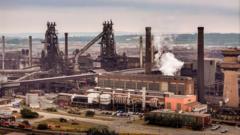
China has voiced strong opposition and dissatisfaction with the United Kingdom's decision to nationalise British Steel, asserting that the move seriously infringes upon the legitimate rights and interests of China's Jingye Group. The UK government took control of the loss-making steel firm's operations, located in Scunthorpe, last year. This nationalisation, announced by the government on Thursday, is intended to protect jobs and safeguard a vital national capability.
Beijing's commerce ministry stated on Friday that the British government's actions severely undermined the confidence of Chinese companies considering investment in the UK. The ministry also urged Britain to faithfully uphold its obligations under the China–UK Bilateral Investment Treaty. China's statement highlighted that the UK forcibly took control of the company under the guise of national security, disregarding Jingye Group's significant contributions to the UK economy and society.
The Chinese ministry indicated that Beijing would closely monitor the unfolding situation and pledged support for Chinese firms in protecting their rights, although the specific measures involved were not detailed. The nationalisation of British Steel is poised to create diplomatic friction between London and Beijing, particularly as a new prime minister is set to assume office early next week. The incoming leader will face the challenge of balancing the nation's economic ties with China, the world's second-largest economy, against the implications of this decision.
This development follows Parliament's passage of legislation on Wednesday, empowering the government to bring the steel industry into public ownership when deemed to be in the public interest. Jingye Group is reportedly seeking compensation for the nationalised assets. The company had previously reported that the business was incurring losses of approximately £700,000 per day.
The UK government's decision to place British Steel under public ownership grants it direct control over the plant's future and the ability to maintain its operations. However, the ongoing costs associated with running the business present a significant financial challenge. Recent reports from the National Audit Office indicated that the Scunthorpe steelworks was costing the government around £1.3 million daily.
Business Secretary Peter Kyle confirmed to the BBC that the government would need to cover the immediate running costs of the facility. The long-term plan for the nationalised steelworks remains uncertain, with the government likely seeking a future solution that does not involve continued public operation.
The nationalisation aims to ensure the continuity of steel production, which is considered a critical industrial sector for the UK. This move allows the government to manage the immediate crisis and explore options for the company's future, potentially including finding a new private buyer or restructuring the operations.
This situation underscores the complex interplay between international investment, national security concerns, and economic interests. The strong reaction from China signals potential diplomatic and economic repercussions for the UK as it navigates its relationship with a major global trading partner.
This article was written by AI based on publicly available news reporting. Original reporting by the linked source.