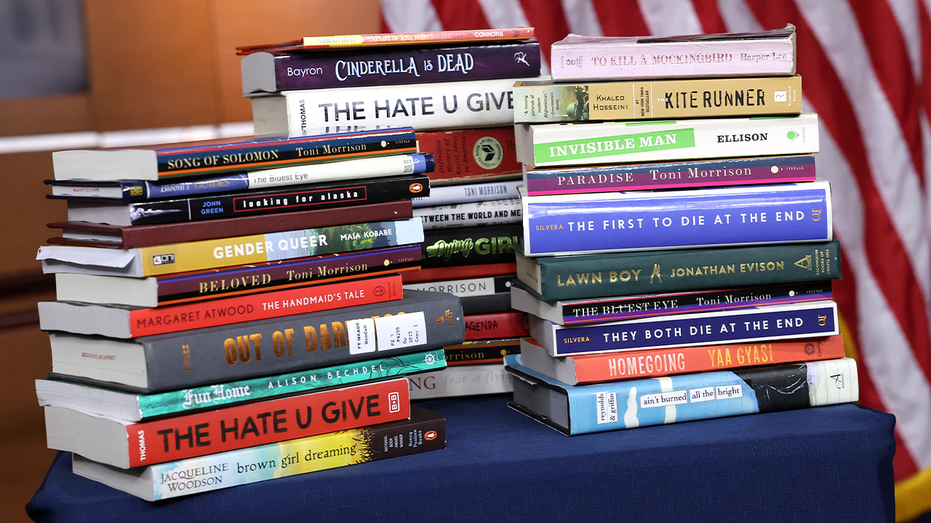
Cobb County Schools Defends Removing 'The Bluest Eye' Due to Sexual Content
Cobb County School District removed Toni Morrison's 'The Bluest Eye' citing explicit sexual themes, drawing criticism for alleged censorship.
Cobb County School District has defended its decision to remove Toni Morrison's novel "The Bluest Eye" from its curriculum, citing the book's "sexually explicit" content, including themes of child rape. The move has sparked debate and accusations of censorship from some parents and educators.
The district stated that the book was removed after a review prompted by parental concerns. "The Bluest Eye," published in 1970, explores themes of racism, identity, and societal beauty standards through the story of Pecola Breedlove, a young Black girl growing up in Ohio in the aftermath of the Great Depression.
School officials emphasized that the decision was based on the book's mature themes and explicit content, which they believe are not appropriate for the intended student age group. They highlighted that the review process is in place to ensure that all instructional materials align with educational standards and community values.
However, critics argue that removing the novel amounts to censorship and deprives students of the opportunity to engage with important literature that tackles complex social issues. They point to the book's literary merit and its historical significance in addressing the damaging effects of racism and internalized oppression.
"The Bluest Eye" is a widely studied work in American literature and has been a part of high school curricula in various districts. Its removal in Cobb County has raised questions about the balance between protecting students from potentially disturbing content and providing them with a comprehensive and challenging literary education.
Supporters of the book's removal maintain that schools have a responsibility to shield students from material that could be harmful or traumatizing. They argue that the explicit nature of some passages, particularly those depicting sexual violence against a child, crosses a line for age-appropriateness.
The debate in Cobb County reflects a broader national discussion about book bans and curriculum content in schools, with differing viewpoints on what constitutes appropriate material for young readers and the role of parental input in educational decisions.
Further discussions are expected within the district and community regarding the selection and review of literature for students, as well as the criteria used to determine age-appropriateness and educational value.
This article was written by AI based on publicly available news reporting. Original reporting by the linked source.