Contact Lenses on Flights May Cause Corneal Ulcers, Dry Eyes
Wearing contact lenses during long flights increases the risk of corneal ulcers and severe dry eyes, according to health experts.
Travelers who wear contact lenses on extended flights face an increased risk of developing painful corneal ulcers and severe dry eyes, health professionals warn. The combination of low cabin humidity and reduced blinking while sleeping during a flight can create a perfect storm for eye irritation and infection.
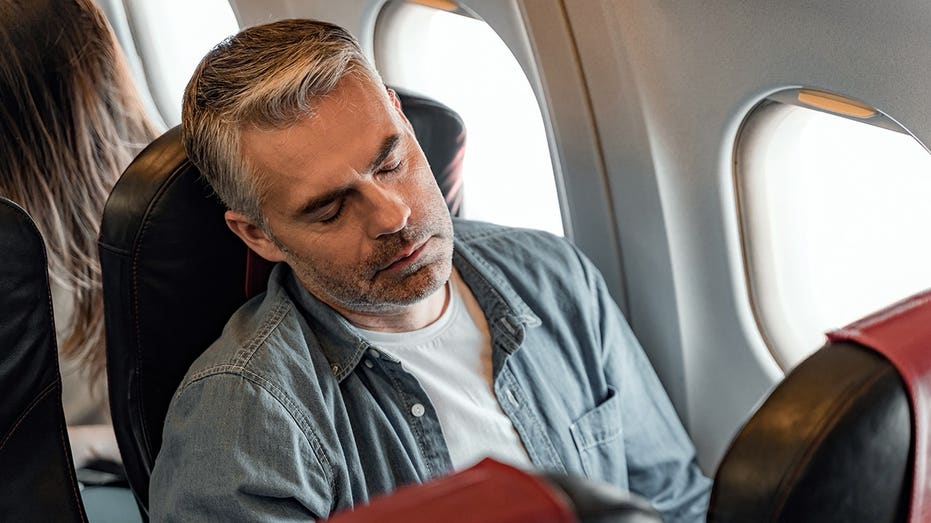
Long-haul flights, often exceeding several hours, typically involve environments with significantly lower humidity than is comfortable for the eyes. This dry air, coupled with the natural decrease in tear production and blinking frequency when sleeping, can lead to contacts drying out and adhering to the eye's surface. This adherence can cause micro-tears in the cornea, creating an entry point for bacteria.
Experts highlight that the prolonged wear of contact lenses, especially overnight on a flight, deprives the cornea of oxygen and moisture. This can lead to a condition known as corneal ulceration, a serious infection that can impair vision if not treated promptly. Symptoms include redness, pain, blurred vision, and a feeling of having something in the eye.
While the exact number of travelers affected annually is not readily available, ophthalmologists frequently treat patients for contact lens-related issues following long journeys. The advice from medical professionals is clear: avoid wearing contact lenses on flights, particularly those that require sleep.
For individuals who must wear corrective lenses, switching to eyeglasses for the duration of the flight is strongly recommended. This simple change can prevent significant discomfort and potential vision-threatening complications. If contact lenses are worn, it is advised to use rewetting drops frequently and avoid sleeping with them in.
Patients who develop symptoms of a corneal ulcer after a flight should seek immediate medical attention from an eye care professional. Early diagnosis and treatment are crucial for a full recovery and to prevent lasting damage to the cornea. The long-term consequences of untreated corneal ulcers can include scarring and significant vision loss.
This issue underscores the importance of eye care during travel, especially as air travel becomes more common and flights get longer. Understanding the environmental factors at play in airplane cabins can help passengers take proactive steps to protect their eye health.
Further research into the specific prevalence of such incidents and the development of more robust preventative measures for air travelers could provide additional insights into mitigating these risks.
This article was written by AI based on publicly available news reporting. Original reporting by the linked source.