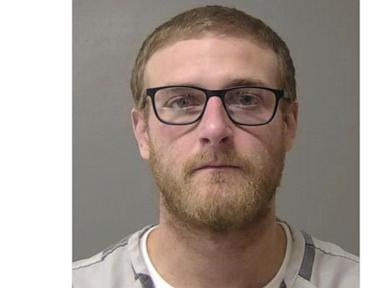
Convicted Deputy Sean Grayson, Who Killed Sonya Massey, Dies in Prison
Sean Grayson, former Illinois deputy convicted of killing Sonya Massey, died Sunday while serving his 20-year sentence.
Sean Grayson, a former Illinois sheriff’s deputy convicted of the fatal shooting of Sonya Massey, died Sunday while serving a 20-year prison sentence, his attorney confirmed.
Grayson, 32, was found guilty of second-degree murder in October 2025 for the shooting death of Massey, a 36-year-old Black woman, inside her Springfield-area home in July 2024. The case drew significant attention and became a focal point in discussions surrounding police use of force.
Body camera footage from the incident showed Massey crouching in her kitchen and apologizing moments before Grayson shot her. She had called 911 to report a possible prowler outside her home. Grayson's attorney, Daniel Fultz, confirmed his client's death but provided no further details.
Grayson had been diagnosed with colon cancer prior to Massey's killing, and his defense team stated at his sentencing that the disease had metastasized. He had sought medical release under a state law for prisoners with terminal illnesses but was denied by the Illinois Prisoner Review Board last month.
The encounter began when Massey reported a prowler. Grayson and another deputy responded. Video depicted Grayson instructing Massey to move a pot of hot water from her stove. Massey then stated, “I rebuke you in the name of Jesus.” Grayson, who had drawn his handgun, ordered her to drop the pot. Massey apologized and moved behind a counter before Grayson fired three shots.
The other deputy present, Dawson Farley, testified that he did not perceive Massey as a threat and only drew his weapon after Grayson did. Grayson was terminated from his position following the shooting and subsequently charged with first-degree murder.
Jurors ultimately convicted Grayson of second-degree murder, accepting his argument that he feared Massey would throw the hot water at him. The conviction carried a maximum sentence of 20 years, and Grayson was sentenced in January 2026.
Massey's killing sparked national protests and led to legislative action. Illinois lawmakers passed the Sonya Massey Act, which mandates more thorough reviews of applicants' employment histories by law enforcement agencies. The Department of Justice also initiated a civil rights investigation, resulting in an agreement with Sangamon County and its sheriff's office that requires enhanced training for interactions with individuals experiencing behavioral health crises and the development of a mobile crisis response program.
This article was written by AI based on publicly available news reporting. Original reporting by the linked source.