Crimea Fuel Shortage Grows as Ukraine Drone Strikes Disrupt Supply Lines
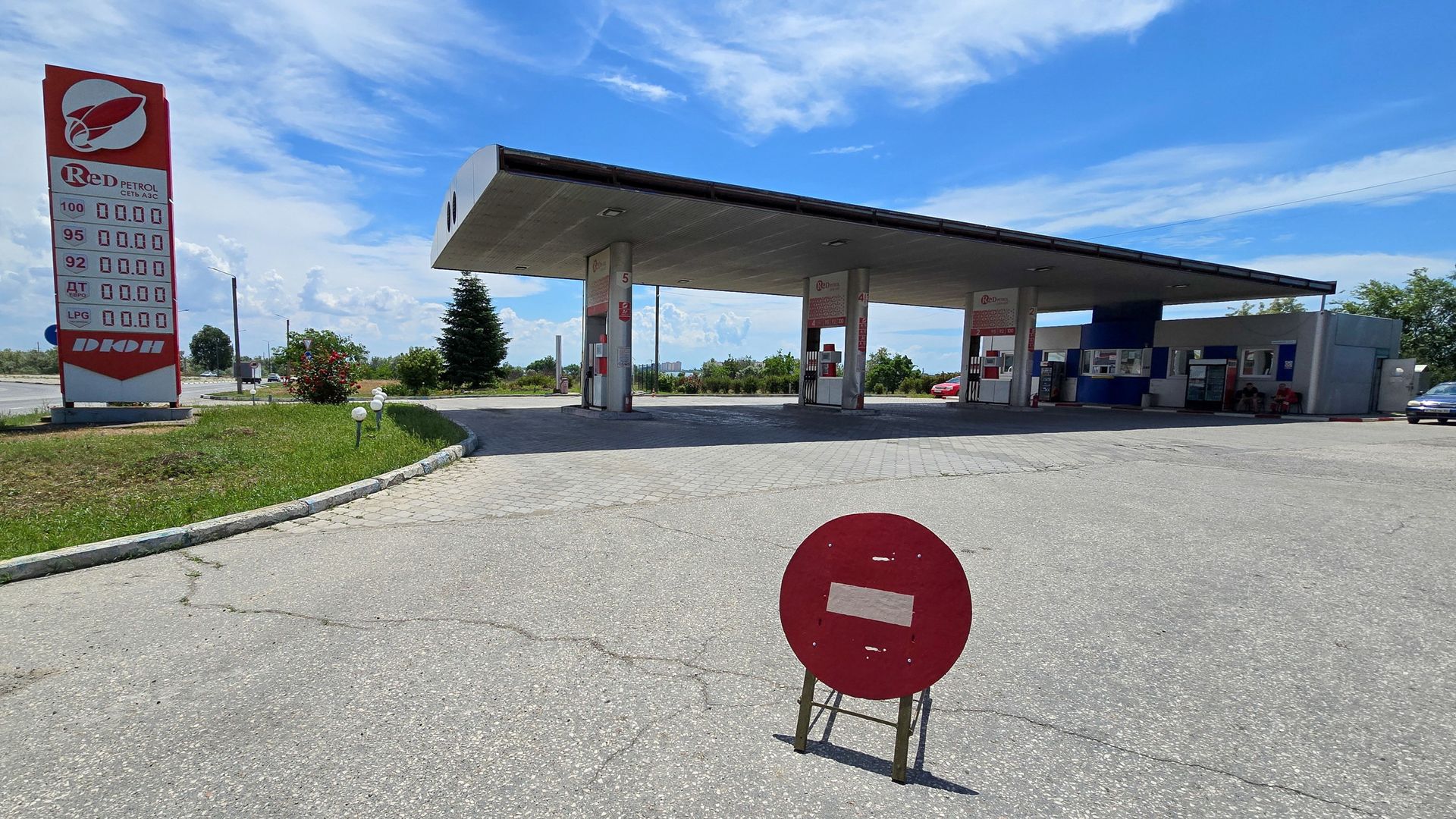
Petrol stations in Russian-held Crimea have run dry following intensified Ukrainian drone attacks targeting supply routes.
Petrol stations across Russian-occupied Crimea reported a complete depletion of fuel supplies on Thursday, as a significant escalation in Ukrainian drone strikes continues to cripple supply lines to the annexed peninsula. Witnesses described long queues at the few stations that still had some fuel earlier in the week, with many now shuttered.
The shortages underscore the growing impact of Ukraine's strategy to degrade Russia's logistical capabilities in occupied territories. Crimea, a vital hub for Russian military operations and a key transit point, relies heavily on land and sea routes from mainland Russia, which have become increasingly vulnerable to Ukrainian attacks.
Reports indicate that the drone strikes have specifically targeted fuel depots and transportation infrastructure, disrupting the flow of essential goods. While official figures on the extent of the shortages are unavailable, the visible absence of fuel at numerous stations suggests a widespread problem affecting both civilian and potentially military operations.
The situation raises concerns about the sustainability of Russia's presence in Crimea and its ability to maintain its forces and support the local population. The disruption of fuel supplies could impact transportation, agriculture, and essential services across the peninsula.
Ukraine has consistently stated its objective to liberate all occupied territories, including Crimea, which was annexed by Russia in 2014. The recent surge in drone attacks appears to be a concerted effort to isolate and weaken Russian control by targeting its logistical backbone.
Russian authorities in Crimea have not yet issued a comprehensive statement addressing the fuel crisis. However, the sheer scale of the shortages, as described by multiple witnesses, points to a significant challenge in replenishing reserves under the current conditions of sustained Ukrainian aerial assaults.
This development comes amid broader Ukrainian counteroffensive operations in other occupied regions, indicating a multi-pronged approach to reclaiming territory. The effectiveness of these strikes in Crimea could serve as a blueprint for future operations against Russian supply chains elsewhere.
Further Ukrainian actions are anticipated as both sides brace for prolonged conflict. The ability of Russia to secure its supply routes to Crimea will be a critical factor in determining the long-term viability of its military posture in the region and its capacity to sustain control.
This article was written by AI based on publicly available news reporting. Original reporting by the linked source.