Ukraine Strikes Ignite Worst Crimea Fuel Crisis Since 2014 Annexation
Ukraine's sustained attacks on fuel infrastructure have triggered the most severe fuel shortage in Russian-occupied Crimea since 2014.
Ukraine's ongoing strikes targeting fuel supplies have precipitated the most severe fuel crisis on the Russian-held Crimean peninsula since its annexation in 2014. The sustained attacks have disrupted the flow of essential fuel products, leading to widespread shortages and significant disruption for residents and businesses.
The current situation marks a critical escalation in the economic pressure Ukraine is attempting to exert on Russian-occupied territories. By targeting key logistical and energy infrastructure, Ukraine aims to impede Russia's ability to sustain its military operations and control over the peninsula, while also impacting the civilian population.
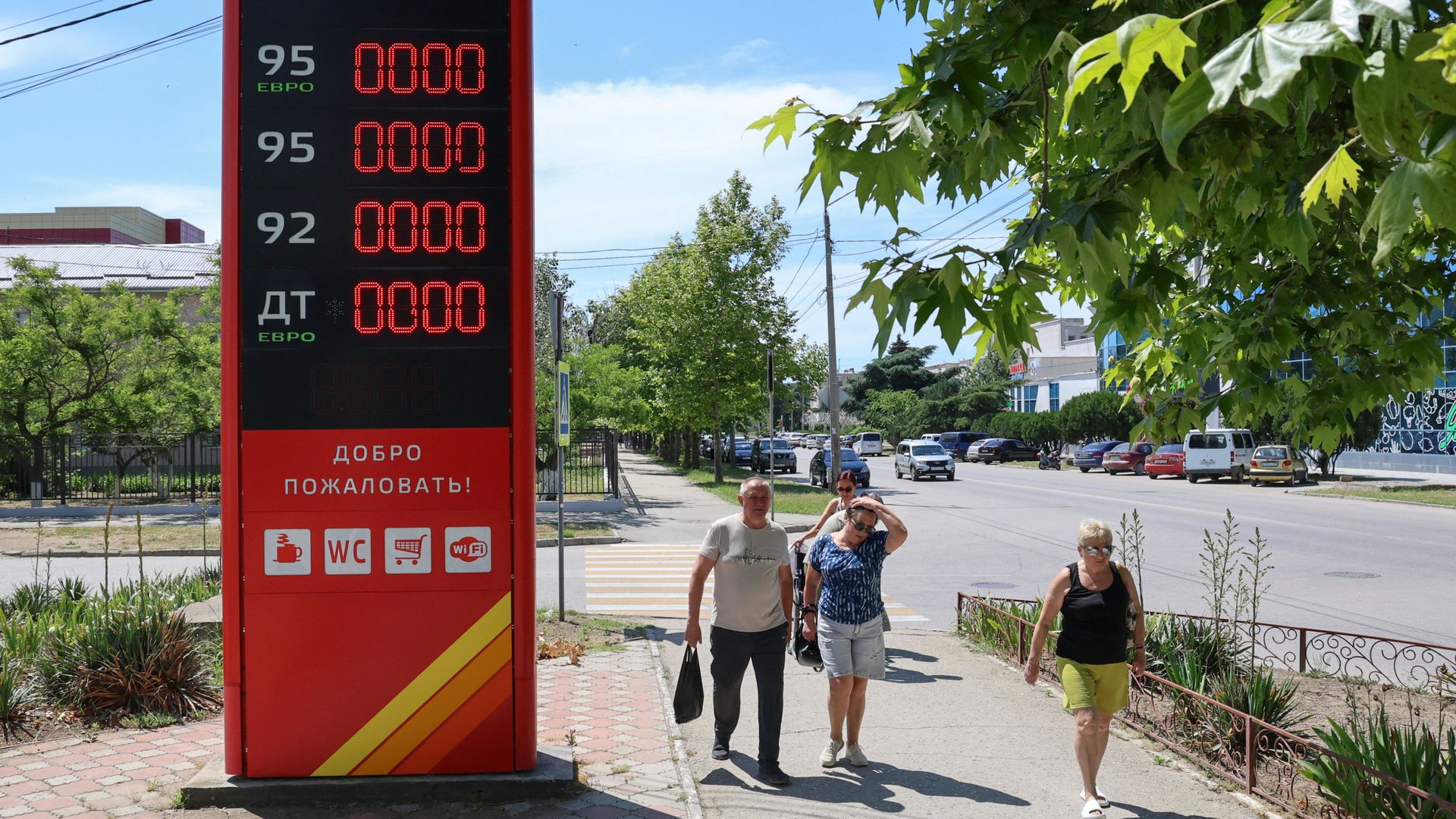
Reports indicate that fuel stations across Crimea are experiencing significant queues and depleted reserves. The crisis has led to panic buying among consumers and concerns about the availability of fuel for transportation, agriculture, and other essential services. The disruption comes at a time when Crimea's reliance on Russian supply lines is paramount, making these strikes particularly impactful.
This escalation in targeting fuel infrastructure suggests a strategic shift by Ukraine to broaden its offensive beyond direct military confrontation. The economic consequences for Russia, both in Crimea and potentially further afield, are a key consideration. Experts note that such actions can significantly strain resources and complicate logistical operations for occupying forces.
Since Russia's annexation of Crimea in 2014, the peninsula has become heavily dependent on mainland Russian supply routes, including fuel pipelines and shipments. Ukraine's ability to interdict these supplies represents a direct challenge to Russia's established control and logistical capabilities. The effectiveness of these strikes is measured by the duration and severity of the ensuing shortages.
Reactions from residents on the peninsula have ranged from frustration to concern, as daily life becomes increasingly difficult due to fuel scarcity. Businesses reliant on fuel for operations, such as transportation and farming, are facing significant challenges in maintaining their activities. The economic impact is felt acutely by the local population now under Russian occupation.
While specific details regarding the precise methods or success rates of individual strikes have not been extensively disclosed by either side, the cumulative effect on fuel availability is evident. The situation underscores the vulnerability of critical infrastructure to targeted attacks, even in areas considered under firm control.
Unresolved questions remain about the long-term implications of this crisis for Crimea's stability and Russia's strategic objectives on the peninsula. The ongoing nature of the conflict suggests that such disruptions to essential supplies could become a recurring feature, impacting both military and civilian life.
This article was written by AI based on publicly available news reporting. Original reporting by the linked source.