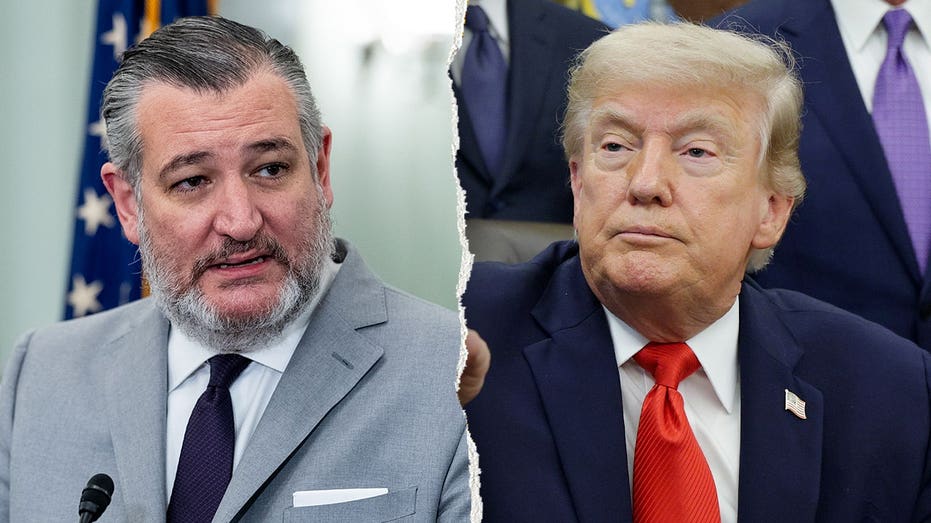
Cruz Warns Trump Iran Deal Hands Billions to 'Theocratic Lunatics'
Senator Ted Cruz criticizes a potential Trump-era Iran deal, arguing it would provide significant funds to Iran's government.
Senator Ted Cruz has voiced strong opposition to a potential agreement with Iran, echoing concerns that any deal brokered under a future Trump administration could provide substantial financial resources to the Iranian regime. Cruz characterized the possibility as "terrifying," warning against empowering what he described as "theocratic lunatics."
The renewed debate surrounding potential U.S. policy towards Iran comes as lawmakers express apprehension about past and future diplomatic approaches. Concerns have been raised by both Republicans and some Democrats regarding the financial implications of any agreement, particularly regarding the potential for funds to be used for destabilizing activities in the region.
Cruz's remarks highlight a broader bipartisan unease about the nature of engagement with Iran. While specific details of any prospective Trump-era deal remain speculative, the senator's strong language signals a potential flashpoint in foreign policy discussions. He emphasized that providing billions of dollars to Iran would be a dangerous misstep, potentially fueling the regime's actions.
The potential implications of such an agreement extend beyond financial aid. Critics argue that any deal that legitimizes or strengthens the current Iranian government could embolden its regional activities and its stance on international issues, including nuclear proliferation and support for proxy groups.
Past U.S. administrations have grappled with the complex challenge of Iran policy, oscillating between sanctions and diplomatic engagement. The Trump administration, for instance, withdrew from the Joint Comprehensive Plan of Action (JCPOA), commonly known as the Iran nuclear deal, and reimposed stringent economic sanctions. This move was intended to curb Iran's nuclear program and its regional influence, but it also led to heightened tensions.
Proponents of a more conciliatory approach, or those who supported the original JCPOA, often argue that diplomatic engagement and economic relief can be used as leverage to encourage behavioral change. They point to the potential for Iran to moderate its policies if integrated more fully into the global economy, though this view is contested by many.
Senator Cruz's position reflects a significant segment of the Republican party that advocates for a hardline stance against Iran, prioritizing maximum pressure through sanctions and a refusal to engage in deals that could provide financial relief to the regime. This perspective often centers on Iran's human rights record and its role in regional conflicts.
As the political landscape evolves, the debate over how to best manage relations with Iran, and what constitutes an acceptable or beneficial agreement, is likely to remain a central issue in U.S. foreign policy discussions, with significant attention on the potential direction under a future Trump administration.
This article was written by AI based on publicly available news reporting. Original reporting by the linked source.