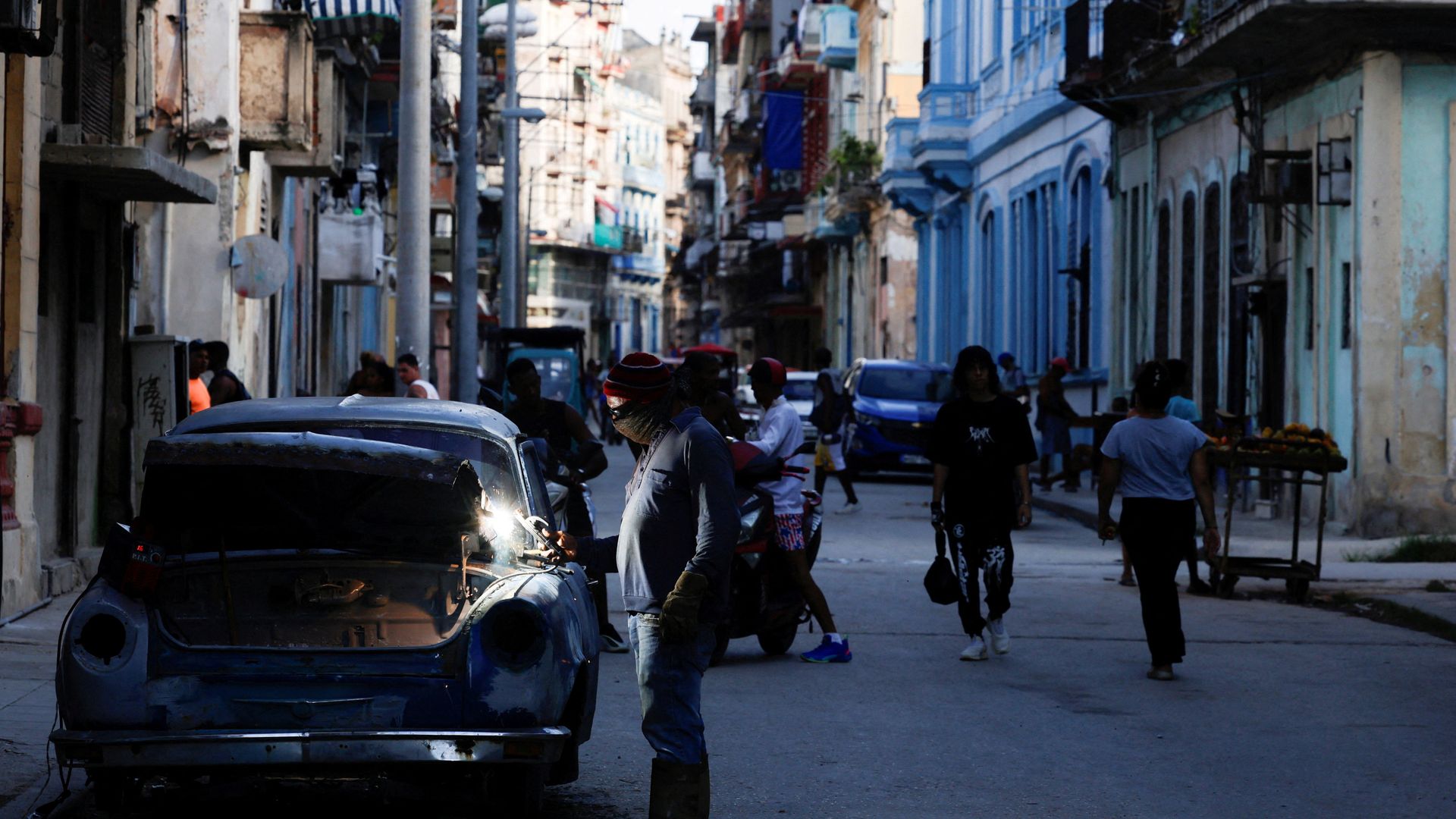
Cubans Show Defiance Amidst Economic Collapse, Endless Blackouts, and Empty Shelves
Cubans are exhibiting remarkable defiance, enduring severe economic hardship, persistent blackouts, and scarce goods, yet refusing to succumb to despair.
Defiance has emerged as the defining characteristic of Cuba's population during a period of profound economic crisis, marked by relentless blackouts, dwindling salaries, and critically empty store shelves. A recent week-long observation revealed this spirit of resilience as a pervasive response to the nation's mounting challenges.
The current economic downturn is one of the most severe the island has faced in decades, exacerbated by a confluence of factors including the enduring U.S. embargo, internal economic mismanagement, and the lingering effects of the COVID-19 pandemic. These pressures have created a daily struggle for survival for many Cubans, with essential goods becoming increasingly difficult to obtain.
Residents are grappling with frequent and prolonged electricity outages, often lasting for many hours each day, disrupting both daily life and economic activity. Simultaneously, official salaries have seen a drastic decline in real terms, failing to keep pace with soaring inflation and the scarcity of basic necessities. This economic squeeze is visibly reflected in the often-barren state of retail outlets, where imported and locally produced goods are in short supply.
The implications of this sustained hardship are far-reaching, testing the limits of public patience and potentially fueling further social unrest. The government faces immense pressure to alleviate the economic burden on its citizens, while the population demonstrates an unwavering resolve to persevere through the difficult circumstances.
Despite the grim economic indicators, the spirit of defiance observed suggests a deep-seated resilience within the Cuban populace. This is not a new phenomenon; Cubans have historically shown an ability to adapt and endure under challenging conditions, often relying on ingenuity and community support networks. The current crisis, however, presents a particularly acute test of this enduring spirit.
Interviews and observations during the recent period indicated a widespread sentiment of frustration with the economic situation, yet this is frequently coupled with a determination to find ways to cope. Many are resorting to informal economies, bartering, and seeking support from family members abroad to make ends meet. The empty shelves in state-run stores are a stark visual representation of the economic distress, forcing citizens to be resourceful and creative in their daily provisioning.
Experts on Cuban affairs note that while such resilience is commendable, the long-term sustainability of this defiance is dependent on significant economic reforms and improvements in living standards. The current trajectory, if unaddressed, could lead to increased emigration or deeper social discontent, despite the prevalent spirit of perseverance.
Unresolved questions remain regarding the government's capacity to implement effective solutions and the ultimate breaking point of public endurance. The coming months will likely be critical in determining whether this defiant spirit can sustain the population through the ongoing economic storm or if the compounding pressures will necessitate more drastic societal or governmental responses.
This article was written by AI based on publicly available news reporting. Original reporting by the linked source.