Cunningham Wears 'WNBA Players Can't Handle Spotlight' Hat After College Win
WNBA star Sophie Cunningham wore a provocative hat after her team's victory, seemingly addressing criticism of WNBA players.
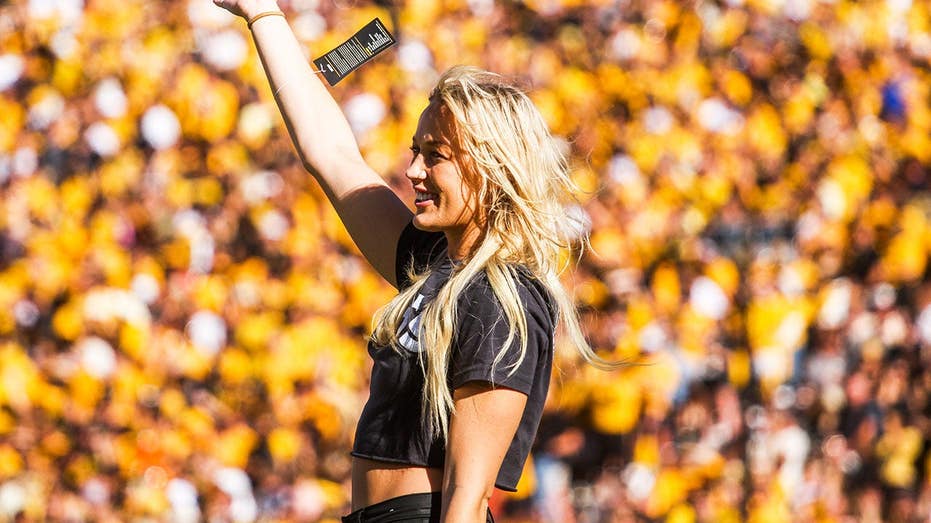
Phoenix Mercury star Sophie Cunningham made a public statement following her University of Missouri Tigers' decisive college football victory over Florida, conspicuously wearing a hat that read, "WNBA Players Can't Handle the Spotlight." The incident occurred in Columbia, where Cunningham, a former Tigers standout, was present to watch her alma mater secure a significant win.
The hat's message appears to be a direct response to ongoing discussions and criticisms surrounding the WNBA, particularly concerning player attitudes and their ability to handle public scrutiny. Cunningham herself has been vocal about perceived double standards and challenges faced by WNBA athletes in the public eye.
While the specific context for Cunningham's choice of attire was not elaborated upon in the immediate aftermath of the game, the statement on her hat is unambiguous. It suggests a belief that some players within the league are ill-equipped to manage the pressures and attention that come with professional sports stardom, especially when compared to the spotlight often cast on college athletes or players in other leagues.
This act by Cunningham adds another layer to the complex narrative surrounding the WNBA's public perception and the athletes' engagement with it. It highlights a potential internal division or differing philosophies among players regarding how to navigate media attention and fan engagement.
Discussions about the WNBA's popularity and the handling of its athletes by media and fans have been a recurring theme. Some commentators have argued that certain players foster negative attention through their public behavior or comments, while others contend that the league and its players are unfairly scrutinized.
Cunningham's sartorial choice during a public event, away from her professional WNBA duties but related to her basketball background, amplifies the conversation. It positions her as a figure willing to challenge conventional discourse within the league, potentially signaling solidarity with those who feel the WNBA is not adequately addressing issues of player conduct or media relations.
The implications of such a public statement, even off-court, could resonate within the WNBA. It may spark debate among players, coaches, and fans about the league's image and the responsibilities that come with being a professional athlete in the current media landscape.
As the WNBA season progresses and new narratives emerge, Cunningham's bold statement serves as a point of reference, underscoring the ongoing dialogue about the league's place in the sports world and the challenges its stars face in managing their public profiles.
This article was written by AI based on publicly available news reporting. Original reporting by the linked source.