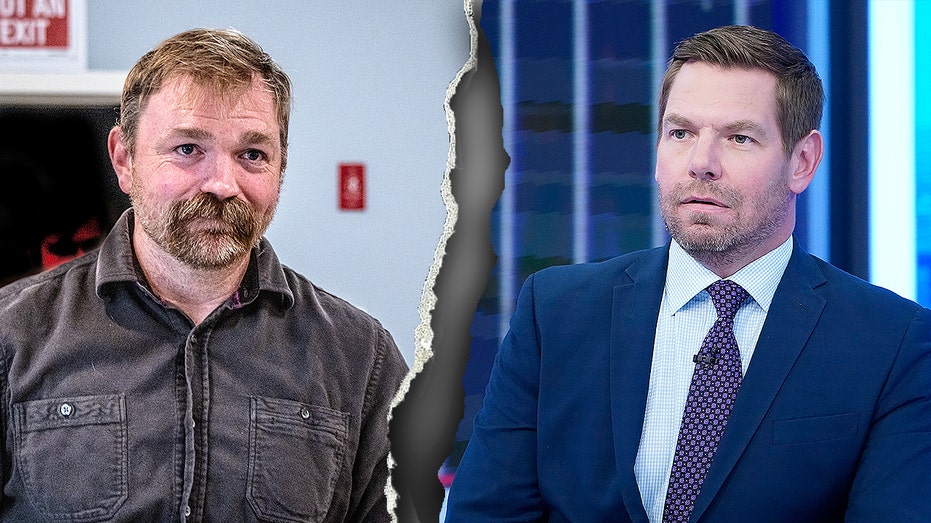
Dem Presidential Hopeful Criticized for Backing Two Scandal-Plagued Candidates
A potential 2028 presidential contender faces backlash for endorsing two Democrats embroiled in scandals.
A prominent Democrat with aspirations for the White House is drawing criticism for endorsing two party candidates who have recently become entangled in significant scandals. The endorsements have raised questions about the politician's judgment and vetting process, particularly as the party aims to regain broader public trust.
The controversy centers on support given to candidates facing serious allegations. One candidate is reportedly involved in a scandal that has rocked their campaign, while another has been linked to accusations that have put their political future in jeopardy. These endorsements come at a sensitive time for the Democratic Party, which is seeking to present a united and unblemished front ahead of upcoming elections.
Sources indicate that the politician in question has publicly backed both individuals, despite the emerging negative narratives surrounding them. Critics have labeled the endorsements as "troubling" and have pointed to the potential damage to the party's reputation. The situation highlights the challenges of navigating endorsements in a highly scrutinized political climate, where even a single misstep can have far-reaching consequences.
This situation could have implications for the endorsing politician's own standing within the party and their potential presidential ambitions for 2028. By aligning with candidates facing serious allegations, the politician risks being associated with the controversies themselves, potentially alienating voters and donors.
Political analysts suggest that such endorsements can be a high-stakes gamble. While supporting fellow Democrats is a common practice, the choice of candidates facing significant scandals can backfire. The vetting process for political endorsements is crucial, and a failure to adequately assess potential candidates can lead to reputational damage for those offering their support.
The specific nature of the scandals has not been detailed, but the mention of "rape allegations" and "transgender minors" in related content suggests the severity of the issues. These types of accusations often carry significant weight with the electorate and can quickly overshadow a candidate's policy positions or qualifications.
Further scrutiny is expected to be placed on the politician's decision-making process. Questions will likely arise about whether they were aware of the potential issues before offering their support or if the allegations surfaced after the endorsements were made. The response from the politician's camp to the criticism has not yet been detailed.
This incident serves as a stark reminder of the interconnectedness of political campaigns and the potential for one candidate's troubles to impact others within the same party. The coming weeks will likely reveal the full extent of the fallout from these endorsements.
This article was written by AI based on publicly available news reporting. Original reporting by the linked source.