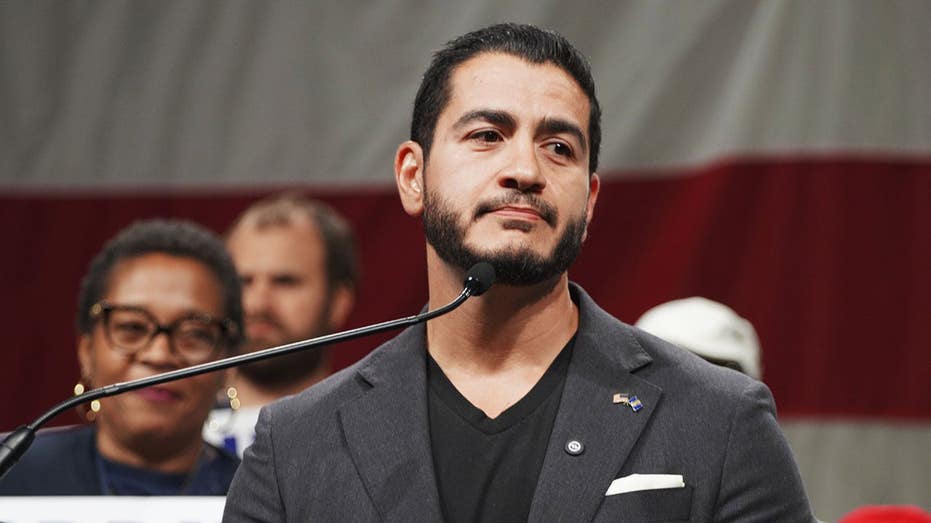
Democrat El-Sayed Confirms Sister-in-Law's Terror Watchlist Lawsuit Ahead of Obama Appearance
Michigan Democrat Abdul El-Sayed confirmed his sister-in-law's lawsuit challenging her placement on a terror watchlist, days before an event with former President Obama.
Michigan Democrat Abdul El-Sayed confirmed Tuesday that his sister-in-law is suing the U.S. government over her inclusion on a terror watchlist, a legal action that emerged just days before his scheduled appearance at an event hosted by the Obama Foundation.
El-Sayed, a physician and former city health director in Detroit, acknowledged the lawsuit filed by his sister-in-law, who has been on the U.S. government's terror watchlist for over a decade. The suit alleges that her placement on the list, which restricts her ability to travel and work, is a violation of her constitutional rights and lacks sufficient evidence.
Details of the lawsuit, which was filed in federal court, indicate that the sister-in-law, identified as a U.S. citizen, has been subject to enhanced screening and scrutiny at airports and border crossings. She claims the government has failed to provide her with a clear explanation for her inclusion on the list or a meaningful process to challenge it.
The timing of El-Sayed's confirmation is notable, as he was slated to participate in an Obama Foundation event focused on civic leadership. The former president's foundation often highlights individuals involved in public service and community engagement, making the lawsuit's public emergence a point of attention.
El-Sayed stated that his sister-in-law has been fighting her inclusion on the watchlist for years, seeking to clear her name and regain full freedom of movement. He expressed support for her legal efforts to ensure due process and transparency in government watchlisting practices.
While El-Sayed has publicly addressed the lawsuit, the Obama Foundation has not yet commented on whether the situation impacts his scheduled participation in their event. The Foundation typically emphasizes themes of democracy and civil rights in its programming.
This case raises broader questions about the government's use of terror watchlists and the challenges individuals face in seeking redress when they believe they have been wrongly placed on such lists. Advocates for civil liberties have long raised concerns about the potential for error and abuse within these security databases.
Further details regarding the legal proceedings and any potential impact on El-Sayed's public engagements are expected to emerge as the lawsuit progresses. The case underscores the ongoing debate surrounding national security measures and individual rights in the post-9/11 era.
This article was written by AI based on publicly available news reporting. Original reporting by the linked source.