Democrats, GOP Eye Statehouse Trifectas in 2026 Midterms
Democrats and Republicans are vying for full control of state governments, aiming for 'trifectas' in key battleground states during the 2026 midterms.
The upcoming 2026 midterm elections present a significant opportunity for both Democrats and Republicans to consolidate power in state governments, with both parties targeting "trifectas"—control of the governor's office and both chambers of the state legislature.
These "trifectas" would grant the winning party greater ability to advance their legislative agendas without opposition from other branches of state government. Control of these levers of power is seen as crucial for implementing party platforms on issues ranging from economic policy to social issues.
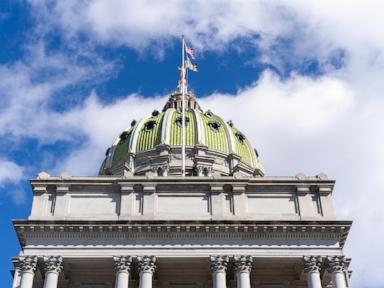
Democrats are particularly optimistic about their chances in several states. In Pennsylvania, they aim to secure a trifecta by winning back the State Senate, which is currently held by Republicans, while holding onto the governorship and their majority in the State House. Democratic Governor Josh Shapiro is seeking reelection, and his party hopes to flip three Senate seats to achieve full control.
If successful, Democrats in Pennsylvania have stated their priorities would include raising the minimum wage, codifying abortion rights, and increasing transportation funding. Governor Shapiro has been actively campaigning, urging voters to help his party achieve these goals. However, Republicans are preparing to defend their Senate majority, viewing it as a bulwark against what they describe as "radical, socialist ideologies" and "failed policies" from the Democratic-controlled House and Governor Shapiro.
Minnesota also presents a key opportunity for Democrats. They currently hold the State Senate and the governorship and need to gain just one seat in the narrowly divided State House to achieve a trifecta. Democrats in Minnesota have indicated a focus on addressing affordability, housing costs, and healthcare expenses if they gain full control.
In Nevada, Democrats already hold comfortable majorities in both the State Assembly and State Senate. Their focus is on winning the governorship, currently held by Republican Gov. Joe Lombardo. A victory for the Democratic gubernatorial candidate would grant them a trifecta, potentially leading to the repeal of the state's "right-to-work" law, which allows employees to benefit from union representation without paying dues.
Republicans, while facing fewer offensive opportunities, are also strategizing to defend their existing power bases and potentially gain ground where possible. The outcome of these state-level battles will significantly shape the political landscape and policy direction across the nation for the coming years.
Experts suggest that the national political climate and voter turnout in these specific states will be critical factors. The ability of each party to mobilize its base and persuade undecided voters will determine whether these coveted trifectas are achieved.
This article was written by AI based on publicly available news reporting. Original reporting by the linked source.