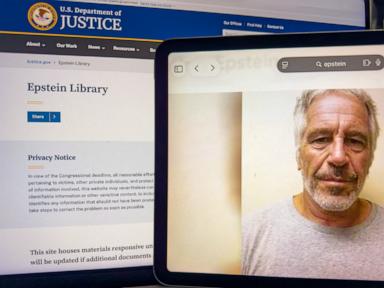
DOJ Declines Judge's Order, Cites Victim Privacy in Epstein Files
The Department of Justice refused to release more Epstein files, citing victim privacy and appropriate redactions as ordered by a judge.
The Department of Justice has declined to release additional information from the Jeffrey Epstein files, asserting that the materials contain sensitive victim data or were properly redacted according to legal requirements. The decision came just hours before a court-ordered deadline for the DOJ to either produce the documents or justify their withholding.
Associate U.S. Attorney General Stanley Woodward formally requested that the judge either extend the deadline by 60 days or accept the DOJ's explanations for withholding the records. Woodward stated that while the government disagrees with the court's ruling on the enforceability of the Epstein Files Transparency Act by private parties, they wish to clarify any confusion surrounding the records.
According to Woodward, some redacted emails were withheld to protect the identities of victims. He explained that certain communications written by victims, when presented without context, could appear disturbing. For a draft 2007 indictment from the Southern District of Florida, the DOJ claimed the redactions were part of the original file and that an unredacted version could not be located.
Regarding interview notes concerning a woman who made unsubstantiated assault claims against President Donald Trump, Woodward argued the materials were duplicative of existing typewritten reports. He noted that the handwritten nature of these notes complicates redaction and increases the risk of inadvertently disclosing victims' personally identifiable information due to technical limitations in quality control checks.
President Trump has denied the allegations made by the woman, whose claims remain uncorroborated. While the DOJ has released interview reports, the original handwritten notes have not been made public.
This refusal by the Department of Justice to comply with the judge's order highlights ongoing tensions between transparency advocates and government agencies concerning the sensitive nature of records related to high-profile investigations. The court's initial order had compelled the DOJ to either release certain unredacted Epstein files or provide valid reasons for continued redactions, following a push for greater disclosure.
The legal battle over the Epstein files has been ongoing, with various parties seeking access to documents that could shed light on the disgraced financier's network and alleged abuses. The DOJ's stance suggests a continued commitment to protecting sensitive information, particularly concerning victims, even when faced with judicial directives.
Further legal proceedings are expected as the judge considers the DOJ's response. The case raises broader questions about the balance between public interest in accessing historical records and the government's responsibility to safeguard personal privacy, especially for victims of alleged crimes.
This article was written by AI based on publicly available news reporting. Original reporting by the linked source.