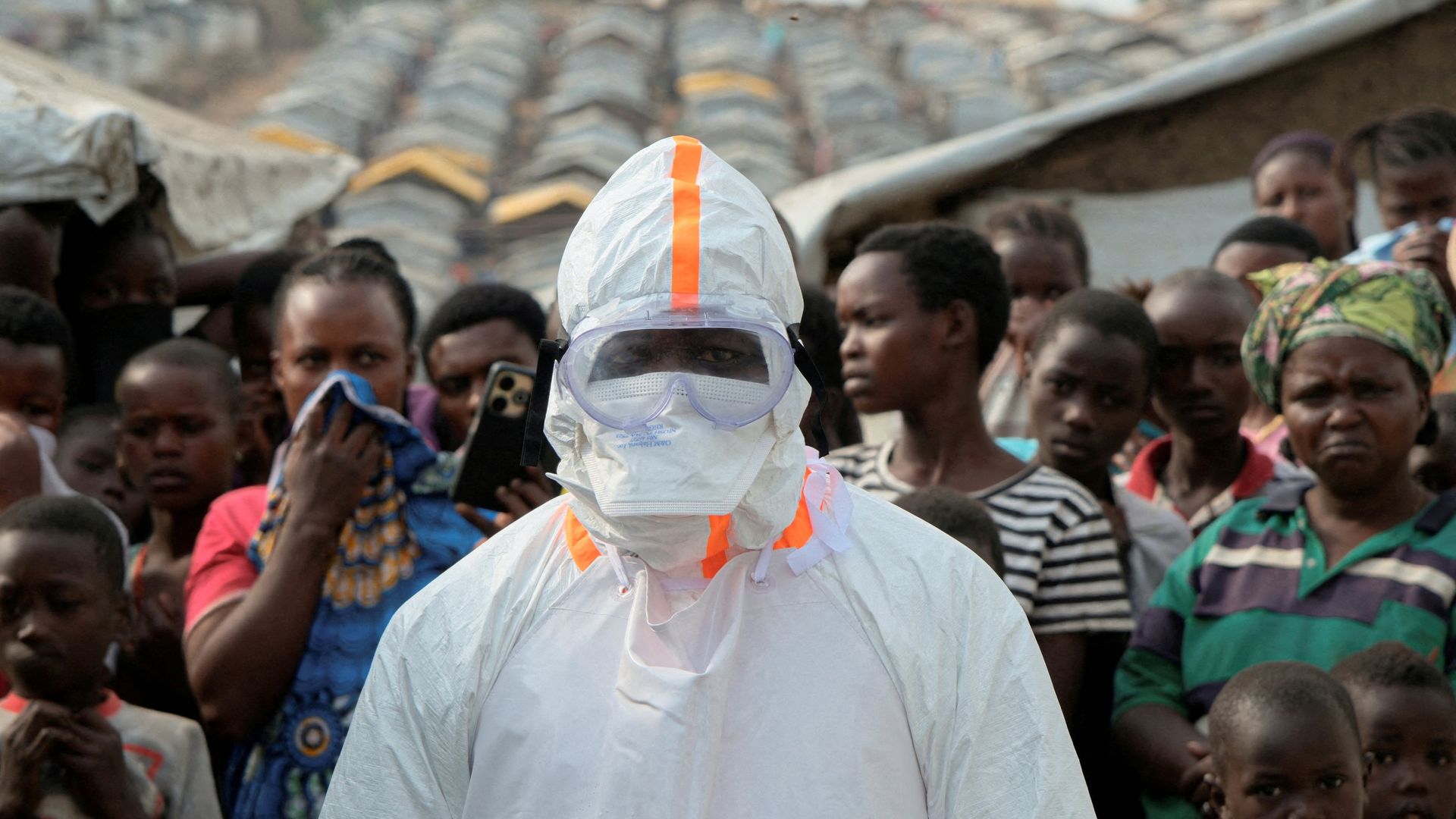
DR Congo Ebola Cases Top 3,000 Amid Health Worker Strike
The Democratic Republic of Congo's Ebola outbreak has surpassed 3,000 confirmed cases as health workers strike, complicating containment efforts.
The Democratic Republic of Congo (DRC) has surpassed a grim milestone, recording over 3,000 confirmed cases of Ebola since the outbreak began. This ongoing epidemic continues to be the fastest-growing in the history of the deadly virus, posing a significant challenge to public health officials and international aid organizations.
The current outbreak, which began in August 2018, has now entered its second year, making it the second-deadliest and longest-lasting in recorded history. The sheer number of cases underscores the persistent difficulties in controlling the spread of the virus, particularly in densely populated and often remote regions.
Adding to the already immense pressure, health workers on the front lines of the fight against Ebola have begun a strike. The reasons for the strike are primarily related to concerns over pay, security, and adequate protective equipment, issues that have been raised repeatedly by medical personnel battling the disease.
The work stoppage by healthcare professionals, who are crucial for contact tracing, vaccination campaigns, and patient care, threatens to severely impede the ongoing efforts to contain the epidemic. International health bodies have expressed deep concern that the strike could lead to an acceleration of new infections and further complicate the already challenging logistical and security landscape.
Previous outbreaks have highlighted the critical role of a motivated and well-equipped healthcare workforce. The DRC government and its international partners have been working to address the concerns of health workers, but the strike indicates that a resolution has not yet been reached. The economic and social toll of the epidemic is immense, with thousands of lives lost and communities deeply affected.
Experts have warned that Ebola outbreaks can be particularly difficult to manage in regions with ongoing conflict and widespread mistrust of health authorities. The large number of cases suggests that transmission chains are proving resilient, and that reaching all affected individuals and communities remains a significant hurdle.
International organizations, including the World Health Organization (WHO) and UNICEF, have been providing substantial support, including funding, supplies, and personnel. However, the effectiveness of these interventions is directly linked to the ability of local health workers to carry out essential tasks without interruption or undue risk.
As the number of confirmed cases continues to climb, the focus remains on strengthening surveillance, improving access to treatment, and rebuilding trust within affected communities. The strike, however, introduces a new layer of complexity, raising urgent questions about the immediate future of the containment strategy and the well-being of those dedicating their lives to fighting this devastating disease.
This article was written by AI based on publicly available news reporting. Original reporting by the linked source.