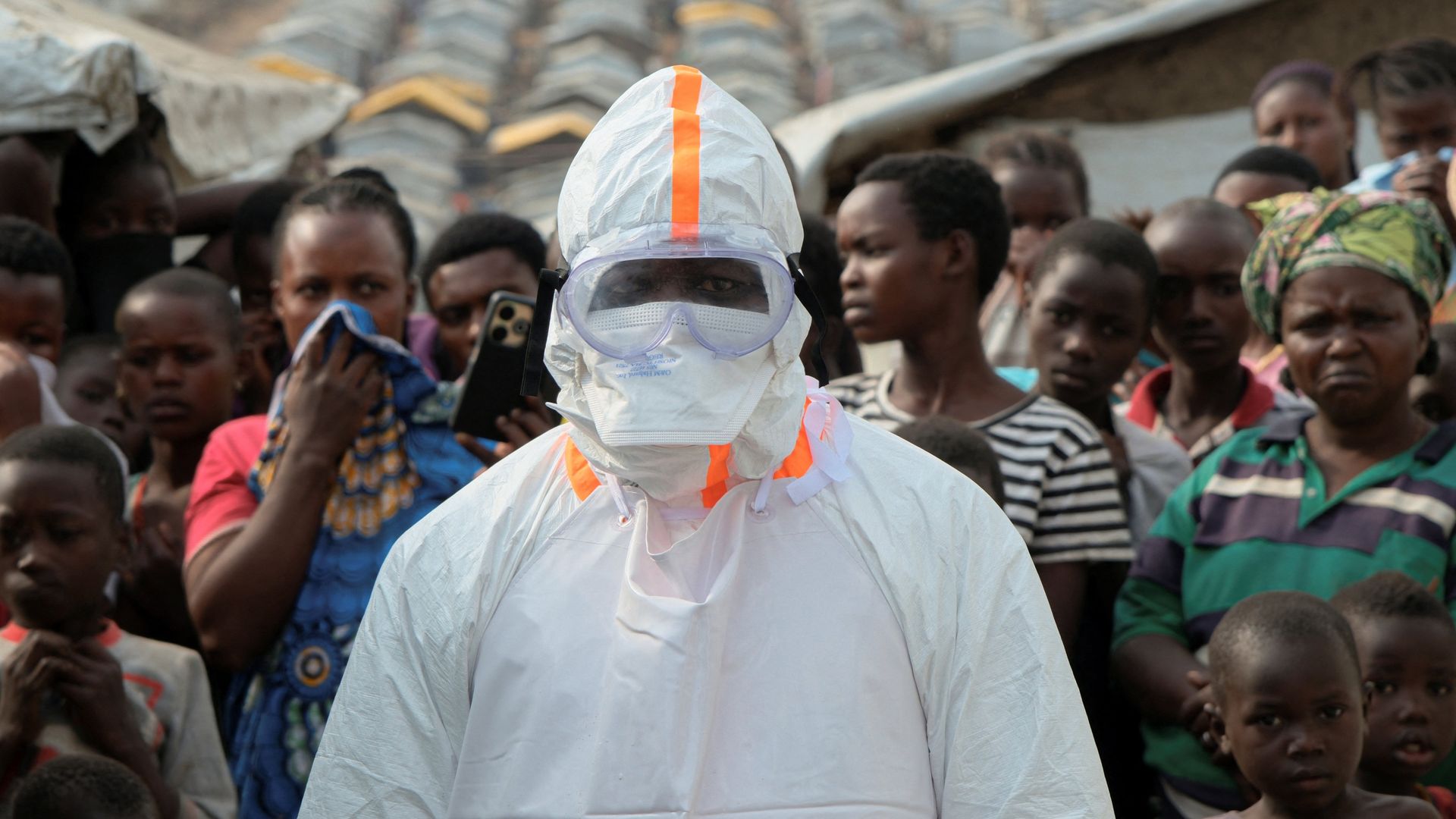
DRC Ebola Outbreak Surpasses 2,000 Cases, 750 Deaths
The Democratic Republic of Congo's Ebola outbreak has now exceeded 2,000 confirmed cases and 750 fatalities, government data confirms.
The ongoing Ebola epidemic in the Democratic Republic of Congo (DRC) has surpassed a grim milestone, with confirmed cases now totaling 2,011 and the death toll reaching 754, according to the latest figures released by the government.
This outbreak, which began in August 2018, has become the second-deadliest in history, posing a significant public health challenge to the region and international health organizations. The persistent spread highlights the complexities of containing the virus in densely populated and sometimes volatile areas.
Government health officials reported the latest figures, underscoring the continuous efforts and resources being deployed to combat the disease. These numbers reflect a sustained transmission pattern despite intensive containment measures, including vaccination campaigns and contact tracing.
The implications of these rising figures are substantial, extending beyond the immediate health crisis. They signal ongoing challenges in accessing affected communities, ensuring the safety of healthcare workers, and maintaining public trust in response efforts, particularly in areas experiencing insecurity.
Health experts have repeatedly pointed to a combination of factors contributing to the outbreak's duration and scale. These include widespread community mistrust, ongoing conflict in some affected provinces, and the logistical difficulties of delivering medical aid and interventions in remote or insecure zones. The sheer number of cases also strains the capacity of local health systems.
The international community, led by the World Health Organization (WHO) and various non-governmental organizations, has been heavily involved in supporting the DRC's response. This support includes providing medical supplies, deploying experienced epidemiologists and clinicians, and facilitating access to experimental treatments and vaccines.
Despite these efforts, challenges persist. Vaccination campaigns, while successful in many areas, face hurdles in reaching all at-risk populations due to access issues and security concerns. Furthermore, cultural practices related to the handling of the deceased can contribute to the virus's spread if not managed with community engagement and sensitivity.
As the outbreak continues, key questions remain regarding the long-term strategy for eradication, the sustainable funding of response efforts, and the rebuilding of health infrastructure in affected regions. The current figures underscore the urgent need for continued vigilance and international cooperation to bring the epidemic to an end.
This article was written by AI based on publicly available news reporting. Original reporting by the linked source.