Venezuela Quake Toll: 2,295 Dead, 50,000 Missing
Nearly 50,000 people remain unaccounted for after Venezuela's earthquakes, with the death toll surpassing 2,295.
Nearly 50,000 people remain unaccounted for in Venezuela following a pair of powerful earthquakes that struck the nation on June 24. Officials reported Wednesday that the death toll has risen to at least 2,295, with an additional 11,267 individuals injured.
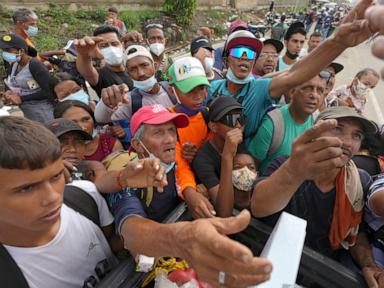
The earthquakes caused widespread destruction, toppling buildings and forcing residents to flee into the streets. Venezuelan lawmaker Jorge Rodriguez stated that the quakes have impacted 26,403 people, a figure that includes those who have lost their homes or suffered severe damage to their properties. One week after the initial seismic events, rescue and recovery efforts are still underway.
The International Rescue Committee (IRC) has highlighted that children are among the nearly 50,000 individuals still missing. Search teams are diligently combing through the rubble, often with bare hands, in the desperate hope of finding survivors. The IRC also noted critical infrastructure failures, particularly in the water system, which has left many survivors without reliable access to safe drinking water.
The ongoing crisis presents significant challenges for Venezuela, with the high number of missing persons and injured underscoring the scale of the disaster. The failure of the water system raises immediate public health concerns, potentially exacerbating the situation for those displaced and in need of basic resources.
Rescue operations are a race against time, with each passing hour diminishing the chances of finding survivors trapped beneath collapsed structures. The sheer number of missing persons suggests that the final death toll could be significantly higher than currently reported, a grim reality faced by families anxiously awaiting news.
International aid organizations are mobilizing to provide assistance, but the logistical hurdles in reaching affected areas and distributing essential supplies remain substantial. The damaged infrastructure further complicates these efforts, hindering the swift delivery of much-needed aid.
Experts warn that the long-term recovery process will be extensive, requiring significant investment in rebuilding infrastructure, providing humanitarian assistance, and addressing the psychological impact on survivors. The scale of the devastation suggests that international cooperation will be crucial for Venezuela's recovery.
As the situation continues to unfold, questions remain about the full extent of the damage, the long-term needs of the affected population, and the capacity of Venezuela's resources to manage such a large-scale disaster. The coming days and weeks will be critical in determining the immediate outcomes for those still missing and the broader recovery trajectory for the nation.
This article was written by AI based on publicly available news reporting. Original reporting by the linked source.