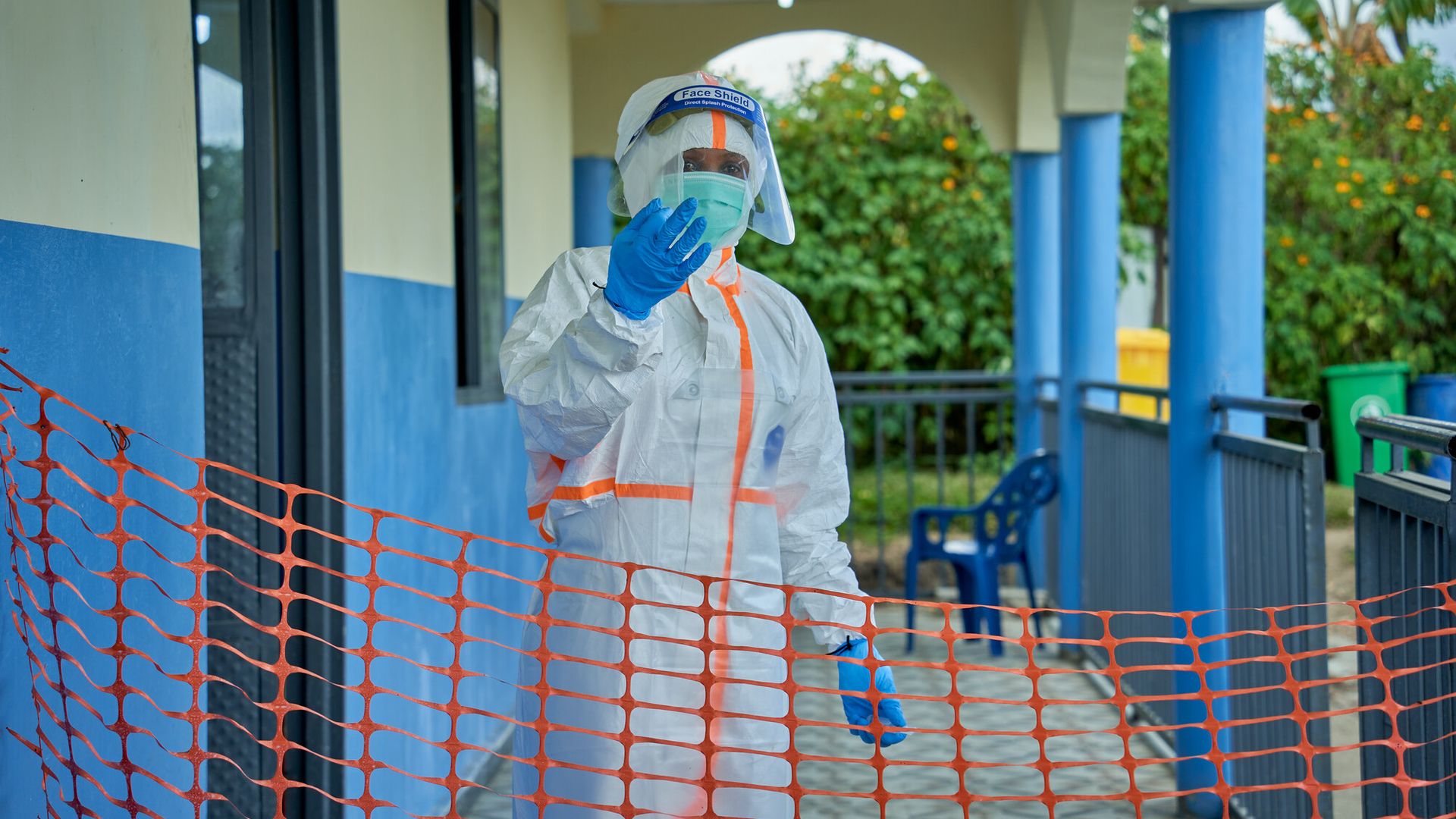
Oxfam Warns DRC Ebola Outbreak Worse Than Official Figures Due to Water Crisis
Oxfam reports the Democratic Republic of Congo's Ebola outbreak is far larger than official numbers suggest, citing a severe lack of clean water and sanitation.
The scale of the Ebola outbreak in the Democratic Republic of Congo (DRC) is likely significantly underestimated, with the "first line of defence" against the virus severely compromised by a lack of clean water and sanitation, Oxfam announced.
The aid organization's warning comes amidst ongoing efforts to contain the deadly hemorrhagic fever, which has seen a substantial number of confirmed cases and deaths. The DRC's health infrastructure, already strained, faces immense challenges in remote and densely populated areas where access to basic hygiene facilities is limited.
Oxfam highlighted that the insufficient availability of safe drinking water and proper sanitation facilities creates an environment where the virus can spread more easily. These basic necessities are crucial for preventing transmission, as contaminated water and surfaces can harbor the Ebola virus. The organization emphasized that without these fundamental elements, the population remains highly vulnerable.
This revelation underscores the complex interplay between public health crises and development challenges. The implications extend beyond immediate containment, pointing to a need for integrated strategies that address both disease control and essential infrastructure development. Experts have long argued that improving water and sanitation is a critical, yet often overlooked, component in combating infectious disease outbreaks.
The current outbreak in the DRC is reportedly the largest recorded for this particular strain of Ebola, making the assessment of its true reach and impact vital for effective international response. Official figures, while meticulously collected, may not capture the full extent of community transmission, especially in areas where reporting mechanisms are weak or non-existent.
Oxfam's assessment suggests that the official case counts might represent only a fraction of the actual infections. This underestimation can lead to inadequate resource allocation and a delayed or insufficient response, potentially allowing the virus to spread further undetected. The organization is calling for increased international attention and resources to bolster not only medical interventions but also the critical water, sanitation, and hygiene (WASH) infrastructure.
Historical data from previous Ebola outbreaks, particularly in West Africa, has consistently demonstrated the importance of WASH initiatives in controlling transmission. Communities with better access to clean water and hygiene services were better equipped to protect themselves and break chains of infection. The situation in the DRC appears to echo these lessons, emphasizing that a holistic approach is necessary.
As the DRC grapples with this public health emergency, the concerns raised by Oxfam bring into sharp focus the urgent need for sustained investment in basic services. The effectiveness of vaccination campaigns and medical treatments can be significantly hampered if the underlying conditions that facilitate transmission are not addressed. The international community faces the challenge of responding not just to the immediate crisis but also to the systemic issues that exacerbate it.
This article was written by AI based on publicly available news reporting. Original reporting by the linked source.