Ebola Spreading Rapidly in DRC; UK Vaccine Months Away
WHO Director-General warns of rapid Ebola spread in DRC. UK scientists are developing a vaccine expected in months.
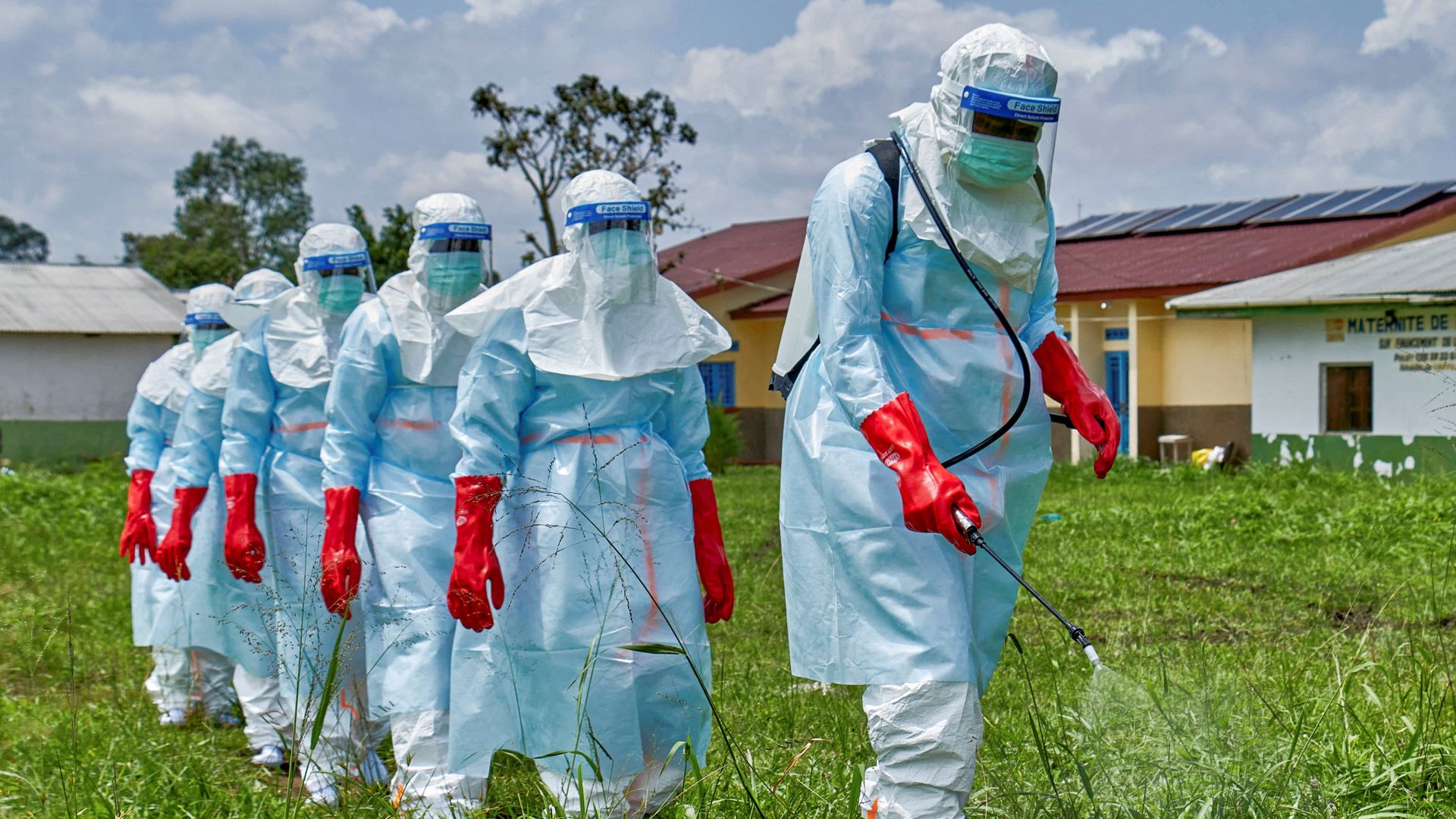
The World Health Organization (WHO) has declared that the Ebola outbreak in the Democratic Republic of Congo (DRC) is "spreading rapidly." The urgent warning comes as international efforts intensify to contain the deadly virus.
This declaration highlights the escalating public health crisis in the DRC, where previous Ebola outbreaks have posed significant challenges to containment and treatment due to vast geographical areas and complex logistical hurdles. The rapid spread suggests that current control measures may be insufficient or that the virus is behaving in a more aggressive manner.
WHO's Director-General conveyed the gravity of the situation, emphasizing the need for immediate and robust international support. While the WHO is coordinating response efforts on the ground, including surveillance, contact tracing, and the deployment of medical teams, the announcement also brings attention to ongoing scientific endeavors.
The development of a new vaccine by UK scientists offers a glimmer of hope, though it is reportedly still "months away" from availability. This timeline underscores the immediate need for existing containment strategies and the critical importance of rapid response in the interim period. The effectiveness and accessibility of this future vaccine will be crucial in long-term control.
Past Ebola outbreaks in the DRC have seen varying degrees of success in containment, often hampered by remote locations, mistrust within communities, and the sheer scale of the affected regions. The current rapid spread indicates that the virus may be outpacing the established response mechanisms, necessitating a re-evaluation of strategies.
Health officials are working to increase public awareness about preventative measures, such as safe burial practices and avoiding direct contact with bodily fluids of infected individuals. The swift deployment of experienced medical personnel and essential supplies is paramount to stemming the tide of infections.
Further details regarding the specific regions most affected within the DRC and the exact number of cases are expected to be released by the WHO and national health authorities as surveillance data is consolidated. The international community is being urged to provide financial and technical assistance.
Questions remain about the specific characteristics of this particular Ebola strain, its transmissibility, and the challenges that may arise in distributing a new vaccine once it becomes available. The DRC's health infrastructure will require significant support to manage both the immediate crisis and the eventual vaccination campaign.
This article was written by AI based on publicly available news reporting. Original reporting by the linked source.