WHO Considers Experimental Vaccines as DRC Ebola Cases Soar Past 500
The World Health Organization may deploy experimental vaccines as Ebola cases and deaths rapidly increase in the Democratic Republic of the Congo.
Global health leaders are weighing the use of experimental vaccines and medicines to combat a rapidly escalating Ebola outbreak in the Democratic Republic of the Congo (DRC). The World Health Organization's (WHO) chief expressed deep concern over the outbreak's swiftness and magnitude, as the number of suspected cases and deaths has significantly risen.
This consideration comes as the Democratic Republic of the Congo grapples with a severe outbreak of the Bundibugyo strain of the Ebola virus. The Bundibugyo strain is particularly concerning as it currently has no approved vaccine or specific treatment, making the potential deployment of still-developing medical countermeasures a critical consideration for public health officials.
Dr. Tedros Adhanom Ghebreyesus, WHO Director-General, stated that the outbreak has now surpassed 500 suspected cases and 130 suspected deaths since its declaration. This marks a substantial increase from approximately 200 cases and 65 deaths reported just days prior, highlighting the aggressive nature of the current epidemic.
The implications of this outbreak are far-reaching, especially given the potential for cross-border transmission. Experts fear the virus could spread to neighboring South Sudan, where a fragile public health infrastructure could exacerbate the crisis and leave health workers operating with limited visibility.
Dr. Mesfin Teklu Tessema, senior director of health at the International Rescue Committee (IRC), which operates in the DRC's Ituri Province where most cases are concentrated, warned that the reported figures likely represent only a fraction of the actual infections. He expressed grave concern that the porous border with South Sudan could facilitate further spread, stating that "a matter of when" such a transmission might occur.
Adding to the dire situation, Dr. Tessema highlighted a critical shortage of essential protective equipment for healthcare workers in the affected regions. The lack of gloves, masks, and goggles poses a significant risk to those on the front lines, while the Bundibugyo strain's high mortality rate, estimated between 30% and 50% even with available care, presents a formidable challenge.
Scientists from the DRC and Uganda have been working to understand the virus, publishing its genome online. This genetic information is crucial for tracking the outbreak and for the potential development and deployment of targeted interventions, including the experimental vaccines and treatments now under consideration by the WHO.
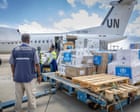
The WHO has mobilized significant resources, dispatching 4.7 tonnes of medical supplies and emergency kits to aid the affected areas. However, the ongoing challenges, including limited infrastructure and the potential for rapid spread, underscore the urgency of the situation and the difficult decisions facing global health organizations.
This article was written by AI based on publicly available news reporting. Original reporting by the linked source.